Exploring 4 Unique Ways To Utilize Antique Moonshine Bottles
Article-at-a-Glance
- Antique moonshine bottles represent a fascinating piece of American prohibition history and can become stunning conversation pieces in your home.
- Transforming these historical vessels into lighting fixtures creates a perfect blend of vintage charm and modern functionality.
- Beyond decoration, these bottles can serve practical purposes as unique dispensers, containers, and bathroom accessories.
- With proper cleaning techniques and creative vision, even damaged bottles can be repurposed into artistic displays that preserve their historical significance.
- Southern Antique Restoration specializes in helping enthusiasts authenticate, clean, and transform these prohibition-era treasures into functional art.
Dusty Treasures: Why Antique Moonshine Bottles Deserve a Second Life

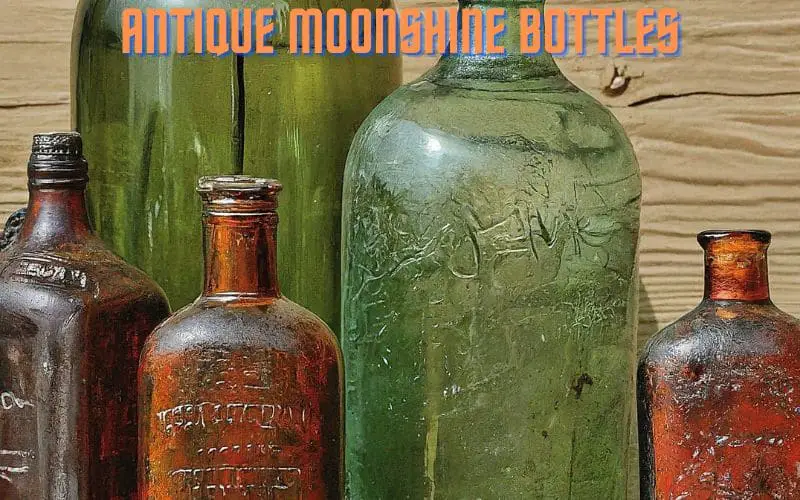
“Old Alabama moonshine jug my father …” from www.reddit.com and used with no modifications.
Those dusty, forgotten moonshine bottles tucked away in attics and barns across America aren’t just containers—they’re time capsules from one of the most fascinating periods in our nation’s history. During Prohibition (1920-1933), these distinctive vessels transported illicit spirits while evading authorities, with each scratch and imperfection telling a story of American ingenuity and rebellion. As an avid collector, I’ve discovered these artifacts possess a rugged authenticity that mass-produced modern decor simply can’t replicate. Their unique shapes—from classic ceramic jugs with small handles to clear glass bottles with distinctive markings—offer endless creative possibilities.
What makes these antique vessels particularly special is their connection to regional American culture. Southern Appalachian moonshine jugs often feature distinctive clay compositions and glazing techniques specific to local pottery traditions. Western bottles might showcase different materials entirely, reflecting available resources and local manufacturing methods of the era. This rich diversity in form, material, and origin story makes each piece not just decorative, but historically significant.
The sustainability aspect of repurposing these bottles cannot be overstated. By breathing new life into these historical artifacts, we’re practicing a form of preservation that honors craftsmanship while reducing waste. Rather than allowing these pieces of American folklore to deteriorate in storage or end up in landfills, repurposing transforms them into functional art that continues to tell their story for generations to come. The patina of age that might be considered a flaw in modern items becomes a prized characteristic in these repurposed treasures.
“Every antique moonshine bottle carries the fingerprints of American history—from the hands that crafted it to those who filled it under cover of darkness. When we repurpose these vessels, we’re not just decorating our homes; we’re preserving stories that might otherwise be lost to time.” — Southern Antique Restoration
Stunning Lighting Fixtures That Showcase History
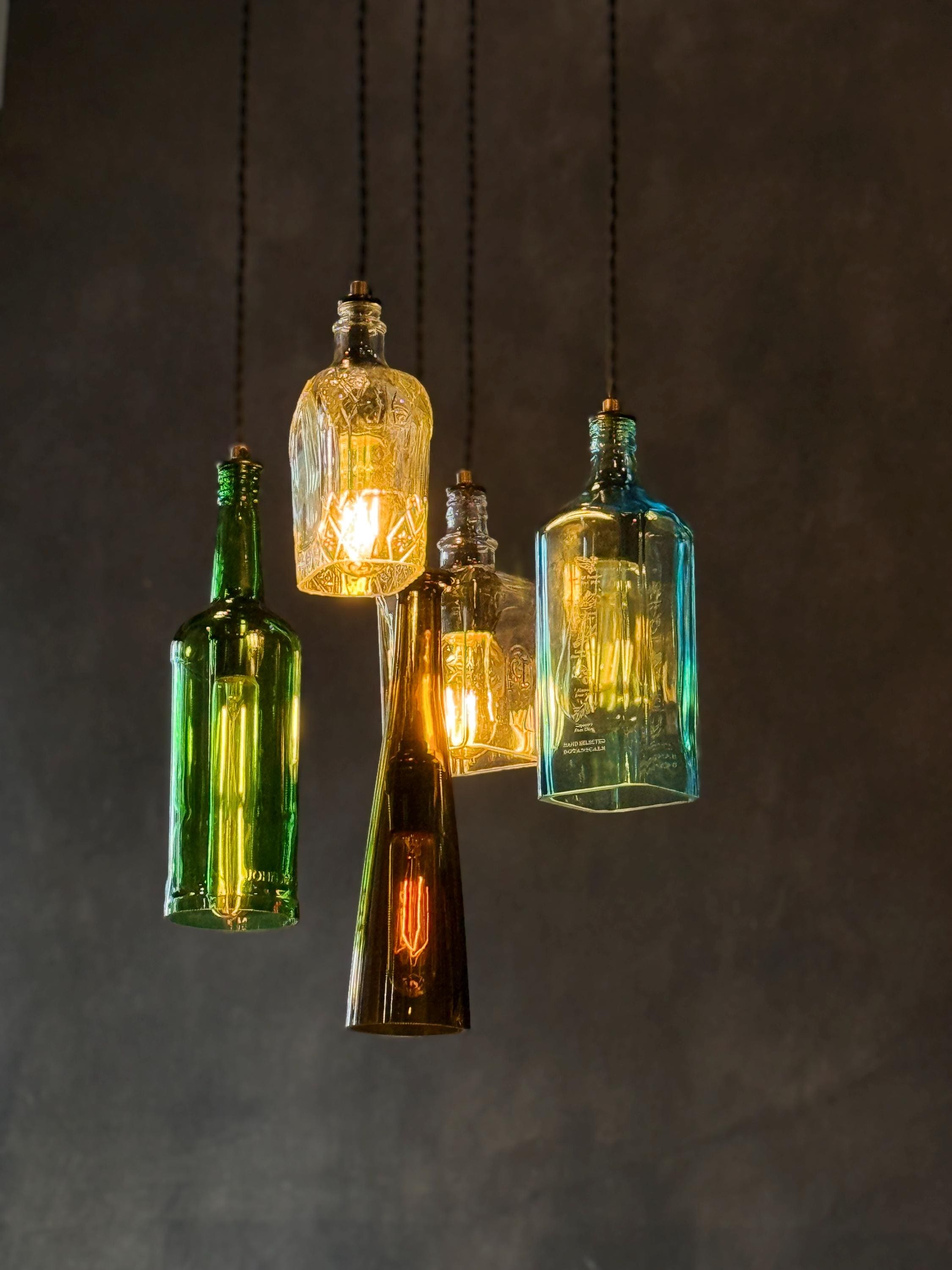
“Moonshine Lighting – Etsy” from www.etsy.com and used with no modifications.
Transforming antique moonshine bottles into lighting fixtures creates a perfect marriage between historical significance and practical functionality. The varied opacity, coloration, and textures of these vessels produce remarkably unique lighting effects that cannot be duplicated with mass-produced alternatives. When illuminated from within, the glass or ceramic material takes on an entirely new dimension—revealing subtle details, interesting discolorations, and manufacturing characteristics that might otherwise go unnoticed. This transformation isn’t merely decorative; it’s revelatory of the bottle’s very essence. Learn more about moonshining traditions that contribute to the unique characteristics of these bottles.
Table Lamps With Character
Table lamps represent perhaps the most straightforward adaptation of moonshine bottles, yet they offer endless variations in style. A clear glass bottle with minimal modification can showcase the internal light fixture itself, while ceramic jugs might be drilled to accommodate wiring while maintaining their exterior integrity. I’ve found that the most successful conversions honor the bottle’s original character—leaving maker’s marks visible and preserving unique identifiers like embossed text or distinctive seams. Pairing these bottle bases with period-appropriate shades (burlap for rustic aesthetics, linen for more refined settings) completes the transformation while maintaining historical coherence. For added authenticity, consider utilizing vintage-style Edison bulbs with visible filaments that echo the era when these bottles were in active circulation.
Hanging Pendant Lights That Captivate
The transformation of moonshine bottles into pendant lighting creates dramatic focal points in any room. Clear glass bottles can be inverted and suspended, with the neck serving as a perfect channel for electrical wiring. For ceramic jugs, careful drilling creates openings that direct light downward, creating concentrated pools of illumination perfect for dining areas or reading nooks. The weight of these bottles—particularly stoneware jugs—provides a substantial presence that lightweight modern pendants simply can’t match.
What I find particularly compelling about pendant conversions is how they showcase these artifacts from entirely new angles. Suspended at eye level or above, details that might be overlooked when bottles sit on shelves become immediately apparent. The undersides of bottles, with their distinctive pontil marks or manufacturer impressions, become visible elements of the design rather than hidden features. For multi-bottle installations, consider grouping vessels with similar provenance but varied shapes to create a historically cohesive but visually dynamic arrangement.

Outdoor Patio Lighting Options
Weathered moonshine bottles find their perfect setting in outdoor applications where their rustic aesthetic harmonizes with natural surroundings. For porch or patio installations, larger stoneware jugs can be transformed into sturdy base lamps that withstand environmental challenges while providing warm, inviting illumination. Many ceramic bottles were designed to endure harsh conditions during their illicit transportation, making them naturally resilient against humidity and temperature fluctuations. This inherent durability, when properly sealed and wired, creates outdoor lighting solutions that improve with age rather than deteriorate.
One particularly effective approach involves clustering several smaller bottles into lantern configurations. By installing low-heat LED fixtures inside waterproof-sealed bottles, you create gentle ambient lighting that can define outdoor living spaces without overwhelming the natural environment. The historical connection to moonshining—often conducted outdoors in remote locations—adds a layer of contextual authenticity to these garden implementations. Some enthusiasts even incorporate copper elements reminiscent of traditional stills, creating a narrative continuity between the bottles and their original purpose.
Functional Home Decor That Tells a Story

“Western Decor & Fashion …” from www.tsln.com and used with no modifications.
Beyond decorative display and lighting applications, antique moonshine bottles offer practical functionality throughout the home. These vessels were originally designed for one specific purpose—containing liquid—making them naturally suited for similar roles in contemporary settings. However, with thoughtful adaptation, they seamlessly transition into modern household items that combine utility with historical significance. The tactile connection to the past becomes part of daily routines, transforming ordinary activities into moments of historical appreciation. For those interested in exploring more, consider the best ways to serve moonshine to enhance your historical journey.
What distinguishes repurposed moonshine bottles from ordinary containers is their ability to infuse everyday objects with character and conversation value. Each morning ritual or dinner preparation becomes an opportunity to connect with American cultural heritage. By integrating these artifacts into functional roles, we ensure their stories remain relevant and alive rather than forgotten in storage or relegated to passive display. Southern Antique Restoration has pioneered techniques for making these transitions both practical and historically respectful, ensuring these treasures remain both useful and authentic.
Soap Dispensers and Bathroom Accessories
The bathroom provides numerous opportunities for moonshine bottle integration. Smaller clear bottles readily accept modern pump mechanisms to create unique soap or lotion dispensers with unmatched character. For bottles with narrow openings, specialized dispenser fittings can be sourced or custom-made to maintain the vessel’s integrity while adding functionality. The waterproof nature of glass and glazed ceramics makes these conversions particularly practical for bathroom environments where moisture resistance is essential.
Beyond dispensers, consider utilizing these vessels for storage of bath salts, cotton balls, or decorative elements. Their varied shapes and sizes naturally organize bathroom essentials while adding visual interest. I’ve found that bottles with distinctive coloration—whether the aqua tint of some glass specimens or the earthy tones of stoneware jugs—introduce warmth and character to typically sterile bathroom spaces. For particularly valuable specimens, simple conversions that don’t require permanent modification allow the bottles to retain their collectible value while still serving practical purposes.
Kitchen Oil and Vinegar Containers
In kitchen applications, smaller moonshine bottles transform into exceptional vessels for oils, vinegars, and homemade extracts. The dark glass varieties offer natural protection against light degradation for sensitive culinary liquids, while clear bottles showcase the beautiful colors of infused oils or specialty vinegars. When fitted with appropriate pourers or stoppers, these bottles elevate everyday cooking experiences while maintaining a connection to their liquid-containing heritage. The substantial weight of many antique bottles provides stability during pouring—a practical advantage over lightweight modern alternatives.
The historical irony of using prohibition-era liquor vessels for culinary purposes adds an additional layer of narrative appeal. What once transported illicit spirits now holds artisanal ingredients, representing a fascinating evolution in American food and beverage culture. For the most authentic presentation, seek bottles with minimal damage to the mouth or lip areas to ensure proper sealing and pouring functionality. Regional moonshine bottles often feature distinctive shapes that create natural ergonomic pouring angles, making them surprisingly well-suited for kitchen applications.

Vases for Fresh or Dried Arrangements
The varied profiles of moonshine bottles create extraordinary vessels for floral displays. Tall, narrow bottles showcase single dramatic stems, while wider jugs accommodate fuller arrangements with ease. The inherent imperfections in antique glass—bubbles, subtle color variations, and manufacturing inconsistencies—create fascinating interplays with water and plant materials that mass-produced vases simply cannot replicate. These characteristics become particularly evident when placing these arrangements near windows where natural light illuminates both the vessels and their contents.
For dried arrangements, the historical resonance between the preserved flowers and preserved bottles creates a compelling narrative cohesion. Consider regional pairings—Appalachian moonshine jugs with dried mountain botanicals, for instance—to strengthen the geographical and cultural connections. The substantial construction of most moonshine bottles provides stability for heavier arrangements that might topple lighter contemporary vases. This practical advantage, combined with their distinctive aesthetic appeal, makes these repurposed bottles particularly valuable for floral design applications in both residential and commercial settings.
Terrariums and Mini Gardens
Large moonshine jugs with wide mouths provide ideal environments for creating miniature ecosystems. Their thick glass walls moderate temperature fluctuations while their varied transparency creates interesting light patterns for plant growth. For closed terrariums, bottles with intact necks can be sealed to create self-sustaining environments, while open-top specimens work beautifully for succulent gardens or air plant displays. The natural imperfections in antique glass create fascinating optical effects when viewing the contained plantings, magnifying details and creating depth that modern containers lack.
Terrariums and Mini Gardens
Large moonshine jugs with wide mouths provide ideal environments for creating miniature ecosystems. Their thick glass walls moderate temperature fluctuations while their varied transparency creates interesting light patterns for plant growth. For closed terrariums, bottles with intact necks can be sealed to create self-sustaining environments, while open-top specimens work beautifully for succulent gardens or air plant displays. The natural imperfections in antique glass create fascinating optical effects when viewing the contained plantings, magnifying details and creating depth that modern containers lack.
The historical connection between moonshine production and rural agricultural traditions creates a narrative continuity when repurposing these bottles as plant habitats. Many moonshiners were also farmers, intimately connected to the land and its growing cycles. This agricultural heritage is honored when their vessels nurture new life. For historically authentic presentations, consider researching native plants from regions where your particular bottles originated. This thoughtful pairing strengthens the cultural significance while creating visually cohesive displays that tell complete stories about American rural traditions.
Creative Art Pieces From Prohibition Era Glass
“Vanity & Vice | Denver Art Museum” from www.denverartmuseum.org and used with no modifications.
For bottles too damaged for functional repurposing, artistic transformation offers a meaningful alternative that preserves their historical significance. These creative approaches celebrate imperfection, incorporating cracks, chips, and wear as elements of design rather than flaws to be hidden. By acknowledging the bottle’s complete history—including its journey through time—these artistic adaptations honor authenticity while creating contemporary relevance for damaged artifacts that might otherwise be discarded.
Painted Statement Pieces
Hand-painting techniques transform ordinary moonshine bottles into extraordinary decorative elements. Traditional Appalachian folk art motifs—mountain landscapes, wildlife scenes, or symbolic elements—create geographical and cultural connections to the bottles’ origins. For historically accurate presentations, research regional decorative traditions contemporary with your bottles’ production era. Some collectors prefer selective painting that highlights rather than obscures original characteristics, using transparent washes over embossed details or manufacturer’s marks to enhance visibility while adding color. For more insights into these traditions, explore our article on moonshining traditions.
Contemporary artistic approaches might include metallic accents that reference the copper components of traditional stills or narrative scenes depicting moonshine production itself. These self-referential designs create layers of meaning that elevate bottles from simple containers to storytelling artifacts. For particularly damaged specimens, strategic painting can transform flaws into features—a crack becomes a river flowing through a landscape, or a chip becomes part of a decorative border. This adaptive approach salvages bottles that might otherwise be considered beyond restoration.
Etched Designs That Preserve History
Glass etching techniques create permanent designs that interact beautifully with light. Simple patterns can be achieved with etching cream and stencils, while more elaborate designs might require professional sandblasting equipment. Consider designs that reference the bottles’ historical context—Prohibition-era symbols, regional iconography, or stylized elements from 1920s visual culture. For clear glass bottles, internal illumination dramatically showcases etched designs, creating multi-dimensional visual effects as light passes through varied depths of etching. For more ideas, explore this moonshine bottles decor collection.
When planning etched designs, I’ve found that incorporating the bottle’s existing features—embossed text, seam lines, or maker’s marks—creates coherent compositions that honor original manufacturing characteristics. Rather than imposing entirely new identities, these integrated approaches acknowledge and enhance the bottles’ authentic elements. For collectors concerned with maintaining historical value, reversible display techniques can showcase etched designs while preserving the bottle’s integrity. Removable LED bases, for instance, illuminate etched patterns without permanent modification to valuable specimens.

Mixed Media Wall Art
Fragmentary bottles—those too damaged for complete restoration—find new purpose in mixed media wall compositions. Bottle necks, bases, or distinctive side panels can be incorporated into larger assemblages that tell comprehensive stories about Prohibition culture. These compositions might include period photographs, newspaper clippings about raids or arrests, maps of moonshine territories, or text elements explaining regional production methods. By contextualizing bottle fragments within these historical narratives, their significance expands beyond simple decorative appeal.
Shadow box frames provide ideal display environments for these compositions, creating depth while protecting fragile glass elements. Consider thematic arrangements organized by region, era, or production method to create educational displays with both aesthetic and informational value. For particularly significant fragments—those with rare maker’s marks or distinctive manufacturing characteristics—focused presentations might highlight specific historical details while providing explanatory context about their significance to collectors and historians. These thoughtful contextualizations transform broken bottles from mere curiosities into meaningful historical documents. Learn more about moonshining traditions that add depth to these displays.
Heritage Display Cases That Honor Tradition

“Heritage Display Cases – Premium Wood …” from ghent.com and used with no modifications.
For collectors with multiple specimens, curated display presentations create compelling narratives about American cultural history. These thoughtfully organized collections transform individual bottles from isolated curiosities into components of larger historical stories. By considering relationships between different bottles—regional variations, chronological developments, or manufacturing techniques—these displays create educational value beyond simple decorative appeal. Southern Antique Restoration specializes in designing these contextual presentations that maximize both preservation and storytelling potential. To learn more about the background of these unique items, explore moonshining traditions that have shaped their history.
Family History Showcases
For many Southern and Appalachian families, moonshining represents an important chapter in their ancestral story. Creating displays that connect specific bottles to family narratives—whether through geographical association, time period correlation, or actual family production history—transforms these objects into powerful heritage symbols. Consider incorporating family photographs, handwritten recipes, or oral history transcriptions alongside bottles to create comprehensive presentations of family moonshining traditions.
These family history showcases serve important cultural preservation functions, documenting traditional practices that might otherwise be lost to time. For younger generations disconnected from their rural roots, these tangible artifacts provide concrete connections to ancestral experiences and values. The bottles themselves become teaching tools that facilitate intergenerational conversations about family history, regional identity, and changing attitudes toward traditional practices. By contextualizing these objects within specific family narratives, their significance transcends generic historical interest to become personally meaningful heritage symbols.

Regional Cultural Exhibits
Organizing bottle collections by regional origin creates opportunities for exploring geographic variations in moonshining traditions. Appalachian stoneware jugs display distinctly different characteristics from Midwestern glass bottles or Southern ceramic vessels. These variations reflect not only available materials but also regional production methods, distribution networks, and law enforcement pressures. By grouping bottles according to these regional traditions, collections become educational tools for understanding how moonshining adapted to diverse environmental and cultural conditions throughout America.
Consider creating map-based displays that visually connect bottles to their places of origin, perhaps incorporating historical information about notable producers, significant raids, or regional flavor profiles. These geographical presentations transform bottle collections from random accumulations into coherent cultural documentations. For communities with strong moonshining histories, such displays can become valuable contributions to local historical societies or community museums, preserving regional knowledge that might otherwise disappear as older generations pass away.
Start Your Moonshine Bottle Revival Today
“Jimmy Red Corn Straight Bourbon Whiskey …” from www.caskers.com and used with no modifications.
Beginning your journey into moonshine bottle repurposing requires little more than creativity and respect for historical artifacts. Start with thorough but gentle cleaning, using only non-abrasive methods appropriate for your bottle’s material. Research your specific pieces to understand their historical context and value before making any irreversible modifications. For particularly rare or valuable specimens, consider non-invasive repurposing methods that preserve collector value while still allowing functional use. Remember that authenticity—including imperfections, wear patterns, and aging—represents an essential part of these bottles’ charm and historical significance.
Frequently Asked Questions
As enthusiasm for antique moonshine bottle repurposing continues to grow, collectors and decorators naturally have questions about identification, preservation, and creative adaptation. The following guidance addresses common concerns while providing practical advice for both novice enthusiasts and experienced collectors. While general principles apply broadly, remember that specific bottles may require individualized approaches based on material composition, condition, and historical significance.
How can I identify authentic antique moonshine bottles?
Authentic moonshine bottles typically display several distinctive characteristics that differentiate them from ordinary antique containers. Look for utilitarian design elements—these weren’t decorative pieces but functional vessels designed for surreptitious production and distribution. Examine the base for pontil marks (rough circular scars) indicating hand-blown production methods common before 1860, or look for seam lines that typically indicate machine production from the late 19th century forward. Authentic moonshine bottles rarely feature elaborate decorative elements or marketing text, as their purpose required anonymity rather than brand recognition.
Regional variations provide important authentication clues. Appalachian moonshine often traveled in stoneware jugs with distinctive alkaline or salt glazes characteristic of Southern pottery traditions. Midwestern operations might utilize clear glass bottles with minimal distinguishing features to blend with legitimate products. Northwestern producers sometimes repurposed commercial bottles, which might retain faint embossing from their original manufacturers. Manufacturing techniques including hand-applied lips (pre-1920) versus machine-made mouths (post-1920) can help establish production timeframes.
When examining potential purchases, pay particular attention to wear patterns. Authentic moonshine bottles typically show handling wear at natural grip points, transport scuffs on bases and sides, and usage patterns consistent with their clandestine purpose. Mass-produced reproductions often display artificially uniform “aging” rather than the authentic wear patterns that develop through actual use and storage. For ceramic jugs, examine glaze characteristics, clay composition, and firing techniques that reflect regional pottery traditions rather than modern manufacturing methods.
Authentication Checklist for Moonshine Bottles
When evaluating antique moonshine bottles, it’s important to consider various factors to ensure authenticity. One key aspect is the aging process of the moonshine itself. Understanding how long it takes for moonshine to age can provide insights into the bottle’s history and authenticity.
- Production method indicators (pontil marks, seam patterns, lip formation)
- Regional characteristics matching known production areas
- Authentic wear patterns consistent with handling and transportation
- Period-appropriate materials and manufacturing techniques
- Absence of modern manufacturing marks or materials
What’s the safest way to clean old moonshine bottles without damaging them?
The cleaning approach should vary based on your bottle’s material and condition. For glass bottles, begin with lukewarm (never hot) water and a mild, non-abrasive dish soap. Avoid commercial cleaners containing ammonia or harsh chemicals that can damage delicate glass surfaces. For stubborn interior residues, fill the bottle with warm water and uncooked rice, then gently swirl—the rice acts as a soft abrasive that removes deposits without scratching glass surfaces. For particularly valuable specimens, consider professional cleaning services that specialize in antique glass preservation.
Ceramic or stoneware jugs require even gentler treatment. Never submerge porous ceramic in water, as this can cause interior damage or mineral leaching. Instead, use slightly damp microfiber cloths for exterior cleaning, and hydrogen peroxide on cotton swabs for targeted stain removal. Avoid all abrasive cleaning methods including scrubbing brushes or scouring powders that can damage glazes or expose porous surfaces. For bottles with significant historical or monetary value, prioritize preservation over perfect cleaning—some authentic patina enhances both aesthetic appeal and historical integrity.
How much are vintage moonshine bottles typically worth?
Valuation varies dramatically based on provenance, condition, rarity, and historical significance. Common clear glass bottles with minimal distinguishing characteristics might sell for $20-50, while rare ceramic jugs with documented connections to notable moonshiners can command thousands of dollars from specialized collectors. Regional variations significantly impact value—Appalachian stoneware typically commands premium prices due to strong collector interest and cultural significance. Production method also influences value, with hand-blown specimens or those featuring unusual colors or manufacturing characteristics attracting higher valuations than mass-produced varieties.
Where are the best places to find authentic moonshine bottles?
Rural estate sales in traditional moonshining regions offer perhaps the most authentic sourcing opportunities. Focus particularly on properties with long-standing family ownership in areas with known production histories. When attending these sales, engage respectfully with family members who might share provenance information that significantly enhances both historical significance and monetary value. The most valuable finds often come with documented stories connecting them to specific producers or historical events.
Beyond estate sales, explore specialized antique dealers focusing on American folk art or regional artifacts rather than general antique merchants. These specialized dealers typically possess deeper knowledge about authentication and regional variations. Online marketplaces can yield discoveries, but exercise caution and request detailed photographs of manufacturing marks, bases, and any damage before purchasing. Join collector communities focused on American prohibition artifacts or regional pottery traditions to develop relationships with knowledgeable enthusiasts who often share information about upcoming sales or available specimens.
For adventurous collectors, consider exploration-based hunting in areas with moonshining histories. With proper permissions, abandoned rural properties, old dump sites near historic distilling locations, or former distribution routes can yield forgotten specimens. Always respect private property and obtain appropriate permissions before searching. These discovery methods, while challenging, often yield bottles with clear regional provenance and compelling historical connections that enhance both their storytelling value and monetary worth.
What tools do I need to transform moonshine bottles into lighting fixtures?
Essential tools for basic lighting conversions include a variable speed drill with diamond-tipped glass bits for creating cord holes, rubber grommets to protect wiring where it passes through drilled openings, and basic electrical components including sockets, switches, and UL-listed wiring. For ceramic pieces, specialized masonry bits perform better than standard drill bits. Always drill at slow speeds with water cooling to prevent cracking or shattering. Consider investing in a bottle cutting kit for more advanced projects requiring neck removal or sectioning—these typically include scoring tools and controlled breaking methods specifically designed for glass work. If you’re interested in the history and traditions of moonshine, you might want to explore moonshining traditions.
Beyond physical tools, safety equipment represents an essential investment. Always use eye protection when drilling or cutting glass, respiratory protection when working with ceramic dust, and appropriate gloves to prevent cuts from glass edges or fragments. Work in well-ventilated areas, particularly when using adhesives or sealants required for some conversion projects. For electrical components, basic understanding of wiring safety is essential, though pre-wired kits can simplify this aspect for novice craftspeople. When in doubt about electrical modifications, consult with a qualified electrician to ensure your creations meet safety standards.