Best Barrels for Aging Moonshine: Our Top 4 Recommendations!
Key Takeaways
- American White Oak barrels are considered the gold standard for aging moonshine, providing classic vanilla and caramel notes that smooth out raw spirits.
- Different barrel types (French Oak, Hungarian Oak, and used whiskey barrels) each contribute unique flavor profiles to customize your moonshine’s character.
- Proper barrel preparation, including leak testing and sanitization, is crucial for successful aging and preventing contamination.
- Small barrels (1-5 gallons) accelerate the aging process through increased wood contact, making them ideal for home distillers looking for quicker results.
- Barrel char levels significantly impact flavor development, with higher char levels creating deeper caramel and smoky notes in your finished moonshine.
Transforming clear, raw moonshine into a smooth, complex spirit is an art that begins with selecting the right barrel. The interaction between wood and spirit is where the magic happens, turning a potentially harsh drink into something worth savoring slowly.
At Good Ol’ Moonshine, we’ve tested countless barrels to identify which ones consistently produce exceptional results for home distillers. After years of experimentation and gathering feedback from our community, we’ve narrowed down the top four barrel options that deliver outstanding flavor profiles for aging moonshine.
Why Barrel Aging Transforms Your Moonshine
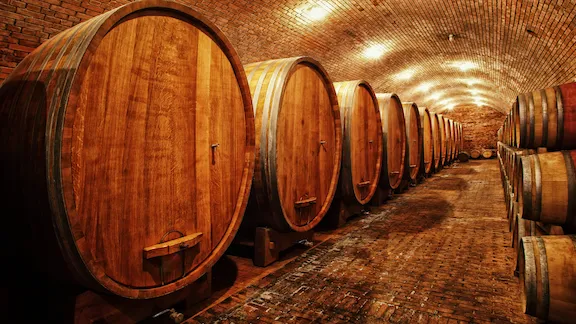
“Oak Aging – Why Is Wine Aged In Oak …” from www.palateclub.com and used with no modifications.
Raw moonshine straight from the still can be sharp and one-dimensional. But something remarkable happens when that clear spirit meets wood. The porous structure of oak allows a continuous exchange between the spirit and the air outside the barrel, while simultaneously extracting compounds from the wood itself.
This aging process accomplishes three critical transformations: it filters out harsh compounds through the wood’s natural properties, adds complex flavors from the barrel’s sugars and tannins, and allows for slow oxidation that mellows and rounds out the spirit’s character. For those interested in learning more, oak barrels play a crucial role in achieving these transformations. What emerges is a completely different product – one with depth, complexity, and a smoothness that can’t be achieved any other way.
The choice of barrel dramatically influences the final flavor profile of your aged moonshine. Different wood types contain varying levels of compounds like vanillin, lactones, and tannins that will shape your spirit’s taste, aroma, and color. That’s why selecting the right barrel is perhaps the most important decision you’ll make in your aging journey.
American White Oak Barrels: The Gold Standard

“White Oak Hybrid Barrels V1” from www.fusionbarrelworks.com and used with no modifications.
When it comes to aging moonshine, American White Oak (Quercus alba) reigns supreme as the industry standard. This isn’t just tradition – there are scientific reasons why this particular wood has become the preferred choice of distillers large and small.
American White Oak provides an ideal balance of porosity and structure. Its tight grain pattern allows for a slow, controlled interaction with the spirit while its unique chemistry imparts a distinctive sweetness. The wood’s high vanillin content is responsible for those lovely vanilla notes that emerge during aging, while its abundant oak lactones contribute creamy coconut and woody characteristics.
Flavor Profile: Vanilla, Caramel, and Toasted Notes
The flavor profile from American White Oak is what many people instinctively associate with properly aged spirits. Your moonshine will develop prominent vanilla notes, warm caramel sweetness, and pleasant toasty characteristics reminiscent of fresh-baked goods. These flavors complement the natural grain character of corn-based moonshines particularly well, creating a harmonious balance between the spirit’s foundation and the barrel’s contribution.
The intensity of these flavors can be controlled through the barrel’s toast and char levels. A medium toast brings out more bakery notes and subtle vanillas, while a heavy char introduces deeper caramel, butterscotch, and slight smoke elements. For first-time barrel agers, a #3 char (moderate) offers versatility and classic flavor development without overwhelming your moonshine’s original character.
Sizing Options for Home Distillers
For home distillers, smaller American White Oak barrels provide significant advantages over their full-sized counterparts. The standard industry 53-gallon barrels are impractical for small-batch production, requiring years of aging to achieve desired results. Instead, focus on barrels in the 1-5 gallon range, which provide much more surface area relative to volume.
A 2-gallon barrel, for example, can impart oak characteristics in weeks rather than years due to this increased wood contact. This accelerated aging makes it possible to achieve excellent results even with limited space and patience. For a balanced approach, consider a 3-gallon barrel, which offers a good compromise between aging speed and avoiding over-oaking that can sometimes happen with the smallest barrels.
Most small American White Oak barrels come with medium-tight hoops, a bung hole for filling/emptying, and a wooden spigot option. Look for barrels with high-quality construction where staves fit tightly together and hoops are securely fastened. Properly made barrels will weep slightly when first filled but shouldn’t show active leaks once the wood has expanded.
How Char Levels Affect Your Final Product
Char Level Burn Time (seconds) Depth Flavor Contribution Best For #1 Char 15 seconds 1/32″ Subtle oak, light vanilla, minimal filtering Delicate fruit-based moonshines #2 Char 30 seconds 1/16″ Moderate caramel, vanilla, light spice Balanced aging, versatile results #3 Char 35-45 seconds 1/8″ Rich caramel, vanilla, light smoke, good filtering Traditional corn whiskey moonshine #4 Char 55+ seconds 1/4″ Deep caramel, pronounced smoke, maple, significant filtering High-proof moonshines needing substantial mellowing
Char level is essentially the degree to which the inside of your barrel has been burned, creating a layer of activated carbon that acts as both a flavor source and a filtering mechanism. This charred layer is where much of the magic happens during aging, with different char depths producing distinctly different results in your final moonshine.
Higher char levels (#3-#4) excel at removing harsh congeners from your moonshine, resulting in a smoother product. They also provide deeper color extraction and more pronounced caramel notes, along with subtle smoky undertones. If you’re working with a particularly raw moonshine, these higher char levels can dramatically transform your spirit.
Lower char levels (#1-#2) preserve more of the natural oak flavors and allow for more subtle vanilla notes to develop. They’re excellent for already smooth moonshine where you want to add complexity without overpowering the base spirit. For most home distillers, a #3 char offers the best combination of filtering benefits and flavor development, making it my standard recommendation for American White Oak barrels.
French Oak Barrels: Elegant Sophistication

“French Oak Barrels by Tonnellerie de L …” from spectrellising.com and used with no modifications.
French Oak (Quercus robur and Quercus petraea) represents the second cornerstone of quality barrel aging. These barrels introduce an entirely different character to your moonshine compared to their American counterparts. The tighter grain structure and unique chemical composition of French Oak creates a more subtle, refined influence that appeals to distillers seeking complexity over boldness.
Many consider French Oak barrels to be the sophisticated choice for aging, offering a more restrained oak influence that allows delicate flavors in your moonshine to remain detectable even after extended aging. This characteristic makes French Oak particularly valuable for fruit-based or botanically-infused moonshines where preserving those nuanced flavors is desirable.
Complex Spice and Fruit Notes
Where American Oak is characterized by vanilla and caramel, French Oak contributes more complex spice notes and subtle fruit characteristics. Expect cinnamon, allspice, and clove undertones, accompanied by dried fruit suggestions that can evoke anything from raisins to apricots depending on your base spirit. These barrels also impart a silky mouthfeel that can transform even rough moonshine into something remarkably smooth.
The tannin profile in French Oak is notably different, creating a pleasant dryness that balances the inherent sweetness of many moonshine recipes. This creates a more structured finished product with improved complexity and a longer finish. For moonshines made with honey or fruit additions, this balance can be particularly striking, preventing the final product from becoming cloying.
Tighter Grain Structure Benefits
The tighter grain structure of French Oak serves several purposes beyond flavor contribution. First, it slows down the aging process slightly compared to American Oak, which can be advantageous for preventing over-oaking in small barrels. This slower extraction allows for more precision in achieving your desired flavor profile.
Additionally, the tight grain means oxygen penetration occurs at a more controlled rate, resulting in a more delicate oxidation process. This yields a smoother mouthfeel while avoiding the sometimes harsh oak extraction that can occur with more porous woods. For moonshine made with particularly careful distillation practices, this gentle aging preserves the craftsmanship of your spirit while enhancing it subtly.
Best Moonshine Styles for French Oak
French Oak pairs exceptionally well with fruit-based moonshines, botanical recipes, and any spirit where you want the base ingredients to remain identifiable. Apple, peach, or berry moonshines develop remarkable complexity in these barrels, with the fruit character harmonizing beautifully with the spice notes from the wood.
For traditional corn-based moonshine, French Oak creates a more refined product that sips more like a fine brandy than a rustic whiskey. The result tends to be lighter in color than American Oak-aged equivalents, with a golden amber hue rather than deep brown. If you’re creating moonshine for more discerning palates or special occasions, French Oak offers that extra touch of sophistication.
Hungarian Oak Barrels: Bold and Distinctive

“What is Hungarian Oak | Classic Oak …” from www.classicoakproducts.com and used with no modifications.
Hungarian Oak (Quercus robur) has emerged as a compelling third option for moonshine aging, offering characteristics that fall somewhere between American and French Oak while adding unique attributes all its own. These barrels have become increasingly popular among craft distillers seeking something distinctive that stands apart from traditional options.
Grown in the mineral-rich soils of Eastern Europe, Hungarian Oak contains higher levels of certain compounds that translate to bolder flavor contributions. The wood is dense and tight-grained like French Oak, but with more aggressive flavor extraction that can transform moonshine more rapidly. For home distillers looking to make a statement with their aged spirits, Hungarian Oak offers immediate character and distinction.
Rich Spice and Nutty Overtones
Hungarian Oak’s signature flavor profile centers around rich, warm spice notes accompanied by distinctive nutty overtones. Your moonshine will develop robust cinnamon, black pepper, and clove characteristics, along with hints of toasted walnuts and almonds. This combination creates a warming quality that makes spirits aged in Hungarian Oak particularly appealing in cooler weather. If you’re curious about the difference between spirits and moonshine, understanding these flavor profiles can be quite enlightening.
Unlike American Oak’s sweetness or French Oak’s fruit notes, Hungarian Oak contributes a complex earthiness that adds dimension to your moonshine. This earthy quality pairs beautifully with traditional grain-based recipes, creating a finished product that feels deeply connected to agricultural traditions. The result is a spirit with pronounced character and a memorable flavor profile that distinguishes itself immediately in blind tastings.
Medium Toast vs. Heavy Toast Options
The toast level of Hungarian Oak barrels significantly impacts the final flavor profile of your aged moonshine. Medium toast Hungarian Oak emphasizes the wood’s natural spice character while maintaining balance, allowing some of your moonshine’s original character to remain detectable. This is often the preferred choice for most home distillers seeking a distinctive but harmonious result.
Heavy toast Hungarian Oak, meanwhile, introduces more intense roasted and smoky elements that can dominate lighter moonshine recipes. These barrels create almost coffee-like notes and deep caramelization that can transform even neutral spirits into complex sippers. For high-proof corn or rye moonshines that need substantial mellowing and flavor development, heavy toast Hungarian Oak offers dramatic transformation in relatively short aging periods.
Used Whiskey Barrels: Character and Convenience

“Authentic Bourbon/Whiskey Barrel …” from www.amazon.com and used with no modifications.
Previously used whiskey barrels offer a compelling alternative for moonshine aging, providing instant character infusion while eliminating much of the preparation work required with new oak. These barrels come pre-seasoned and already contain rich flavor compounds that will immediately influence your moonshine, creating complexity that would take much longer to develop in virgin oak.
- Reduced aging time requirements compared to new barrels
- Pre-established flavor profiles from previous contents (bourbon, rye, etc.)
- Lower tannin extraction prevents excessive astringency
- More predictable results from batch to batch
- Often more economical than new oak barrels
The character imparted by used barrels varies dramatically depending on their previous contents. Bourbon barrels will contribute sweet vanilla, caramel, and coconut notes, while rye whiskey barrels add spicier dimensions with pepper and cinnamon overtones. For moonshine distillers seeking consistency and predictability, used barrels provide a reliable flavor foundation.
Another significant advantage is that used barrels have already gone through their highest extraction phase, meaning they won’t overwhelm your moonshine with oak tannins. This makes them particularly well-suited for aging lighter styles of moonshine where preserving the base spirit’s character is important. The subtle influence allows for longer aging without fear of creating an oak-dominated product. For more information on choosing the right barrels, check out this guide on the best barrels for aging moonshine.
Home distillers should note that used barrels typically contain remnants of their previous contents absorbed deep in the wood. This “legacy” liquid will gradually release into your moonshine, effectively creating a subtle blend. While this adds wonderful complexity, it also means you should choose barrels that previously held spirits compatible with your moonshine’s flavor profile.
Bourbon Barrel Benefits
Bourbon barrels represent the crown jewel of used barrel options for moonshine aging. By law, bourbon must be aged in new, charred American oak barrels, meaning these vessels have only held one spirit before coming to you. The rich vanilla, caramel, and baking spice compounds that have penetrated the wood will gradually infuse into your moonshine, creating a smooth, sweet profile that mellows harsh edges remarkably quickly.
Beyond flavor contributions, bourbon barrels offer exceptional value in their charcoal filtering capability. The heavily charred interior continues to remove impurities from your moonshine, resulting in a cleaner, smoother spirit even with minimal aging time. For home distillers working with less refined moonshine, this filtering action can transform a rough spirit into something remarkably palatable in just a few weeks.
Where to Find Quality Used Barrels
Sourcing high-quality used barrels requires some detective work, but the effort pays off in your finished moonshine. Craft distilleries often sell their once-used barrels at reasonable prices, particularly if you develop a relationship with local producers. These barrels typically have excellent flavor potential while still maintaining structural integrity. Online marketplaces specializing in barrel sales have also emerged as reliable sources, with many offering detailed histories of each barrel’s previous contents and usage. For a deeper dive into moonshine production, you might explore the traditional corn-based moonshine recipe.
When purchasing, ask specific questions about the barrel’s age, what it contained, how long it was used, and how it’s been stored since emptying. Barrels that have dried out completely may be difficult to reseal and potentially harbor microbial issues. The ideal used barrel will have been emptied relatively recently (within 6 months) and kept with some moisture to maintain stave integrity.
Checking for Barrel Integrity
Before committing to a used barrel, perform a thorough inspection to ensure it remains suitable for aging. Check that hoops are tight and secure, with no visible gaps between staves when the barrel is wet. Minor leaks can often be addressed during preparation, but structural issues like split staves or severely warped heads indicate a barrel past its prime. A gentle knock test comparing sounds around different parts of the barrel can reveal hidden issues – you want consistent, solid tones rather than hollow or rattling sounds.
The barrel’s interior should smell pleasant, with notes reminiscent of its previous contents without any mustiness, vinegar aromas, or off-odors that might indicate contamination. Use a flashlight to examine the interior for any signs of mold growth or excessive char flaking. Small amounts of crystallized sugars or tartrates on barrel walls are normal and actually beneficial, indicating the wood is still rich with extractable compounds.
Preparing Your Barrel for First Use

“How To Make Aged Moonshine – Red Head …” from redheadoakbarrels.com and used with no modifications.
Proper barrel preparation is essential regardless of which type you select. New barrels require several preparation steps to ensure they’re ready for aging moonshine, while used barrels need careful inspection and cleaning. The effort you invest at this stage directly impacts the success of your aging project and helps prevent common problems like excessive leakage or contamination.
For new barrels, the wood will be quite dry upon arrival, and the staves will likely have contracted slightly during storage and shipping. This means your first task is rehydrating the wood to swell the staves and create watertight seals between them. This process also removes excessive wood sugars and tannins that could overwhelm your moonshine’s flavor profile.
Leak Testing and Sealing Techniques
Begin by filling your new barrel with warm water (not hot, as extreme temperatures can damage the wood) and check for leaks. Minor seepage between staves is normal and will typically resolve as the wood swells, but active streams indicate areas needing attention. If significant leaks persist after 24-48 hours of water contact, a mixture of barrel wax and wood flour can be applied to problem areas from the exterior. For stubborn leaks, gently tapping the hoops toward the center of the barrel often helps compress the staves more tightly.
Once your barrel holds water without major leaks, perform a full water soak for 3-7 days, changing the water daily if possible. This serves two purposes: ensuring complete swelling of the wood and removing excessive wood extractives that might impart harsh flavors to your first batch of moonshine. For more detailed guidance, you might find this user guide on oak barrels helpful. The water will likely turn brown and take on a woody smell – this is normal and indicates the process is working as intended.

Sanitizing Without Harming Flavor Compounds
After leak testing, sanitizing your barrel properly strikes a careful balance between eliminating potential contaminants and preserving the beneficial flavor compounds. Avoid harsh chemicals like bleach or conventional sanitizers that can penetrate the wood and taint your moonshine. Instead, a solution of citric acid (1 tablespoon per gallon of water) or a mild solution of potassium metabisulfite (1 teaspoon per gallon) provides effective sanitation while remaining food-safe.
Fill the barrel with your sanitizing solution, seal it, and rotate occasionally to ensure all interior surfaces are contacted. After 24 hours, drain completely and rinse twice with clean water. Allow the barrel to drain upside down for 10-15 minutes, but don’t let it dry completely before filling with moonshine. A slightly damp barrel interior creates the ideal environment for the aging process to begin immediately.
Breaking In New Oak
New oak barrels can sometimes impart overwhelming wood flavors to your first batch of moonshine. To moderate this intensity, many experienced distillers “break in” their barrels with a sacrificial first filling. This could be a neutral spirit like vodka, a lower-quality batch of moonshine, or even a mixture of water and high-proof alcohol. After just 1-2 weeks, this first liquid will have extracted the most aggressive tannins and wood sugars, resulting in more balanced aging for subsequent batches.
Alternatively, consider a hot water treatment where you fill the barrel with nearly boiling water, seal it, and let it cool naturally over 24 hours. This accelerates the extraction of harsh tannins and can significantly reduce the “new barrel” intensity. Whatever method you choose, the goal is to tame the wood’s initial aggressiveness while still preserving its beneficial aging properties. For more detailed guidance, check out this guide to barrel aging.
Aging Timeframes: When Is Your Moonshine Ready?

“Age Your Own Whiskey, Moonshine, and …” from moonshinedistiller.com and used with no modifications.
Unlike commercial whiskey production with its strict multi-year aging requirements, moonshine in small barrels develops rapidly due to the increased wood-to-liquid ratio. Understanding typical aging timeframes helps you plan your production schedule and prevents the disappointment of over-oaked spirits. The key is regular sampling to track development, as every batch will progress at slightly different rates based on barrel size, environmental conditions, and your base moonshine’s characteristics.
Remember that aging isn’t simply about time – it’s about achieving the perfect balance between wood influence and your original spirit’s character. The goal is enhancement, not obliteration, of your carefully distilled moonshine. For most home distillers using small barrels, aging falls into several distinct phases, each with characteristic flavor developments.
1-3 Month Results
In the first month, dramatic changes occur as your moonshine extracts the most accessible compounds from the wood. The harsh edges of fresh spirit soften considerably, and color develops rapidly, shifting from clear to amber or light brown. Vanilla notes emerge early, along with subtle caramel, especially in American Oak. This period sees the most significant transformation in terms of drinkability, with many small-barrel moonshines reaching a pleasant, if youthful, profile by the one-month mark. For more on how aged moonshine packaging ideas can complement these flavors, check out our guide.
By three months, more complex flavors begin integrating with your moonshine’s base character. The spirit develops mid-palate richness and a more substantial mouthfeel as phenolic compounds and wood sugars fully incorporate. At this stage, many fruit-infused moonshines reach their peak in 1-2 gallon barrels, with excellent balance between fruit character, spirit backbone, and oak influence. For traditional corn-based moonshines, this represents a solid foundation, though further aging often yields additional complexity.
6-12 Month Sweet Spot
The 6-12 month window represents the sweet spot for many traditional moonshine recipes in 3-5 gallon barrels. By this point, the spirit has extracted a full spectrum of compounds from the wood while allowing sufficient time for these elements to integrate harmoniously. Oxygen exchange through the barrel has mellowed harsh alcohols, creating a smooth sipping experience with a well-developed nose. The flavor profile features depth without being dominated by oak, and the finish lengthens considerably compared to younger spirits.
This timeframe typically produces the best balance between development and over-extraction, especially for medium-char barrels. You’ll notice substantial color development, approaching deep amber or mahogany, along with increased viscosity that creates appealing “legs” when swirled in a glass. For special occasions or gift batches, this aging window consistently delivers impressive results that showcase both your distillation skills and your patience.

Long-Term Aging Considerations
Extending aging beyond a year in small barrels requires careful monitoring to prevent over-oaking. As the most desirable compounds become depleted, the barrel can begin contributing more tannic, sometimes bitter elements that dominate rather than complement your moonshine. If pursuing longer aging, consider transferring to used barrels (which have less intense extraction) or larger vessels that slow the process. Alternatively, some distillers move their spirit to glass after optimal wood development has occurred, allowing continued oxidation without additional oak influence.
Climate plays a significant role in long-term aging success. Consistent, moderate temperatures (60-70°F) with relatively stable humidity (50-70%) create ideal conditions for extended maturation. Extreme temperature fluctuations accelerate extraction and can stress the barrel, potentially causing leaks or excessive evaporation. Consider creating a dedicated aging space with controlled conditions if pursuing aging beyond the one-year mark in your original barrel.
Sampling Techniques to Track Progress
Regular sampling is essential for monitoring your moonshine’s development and determining the perfect bottling time. Use a clean wine thief or turkey baster to extract small samples without introducing contaminants to your barrel. Begin with monthly checks, then extend to bi-monthly as development slows. Maintain a tasting journal noting color, aroma, flavor, and mouthfeel changes to track the evolution and identify your preferred profile.
When sampling, pour into a proper tasting glass and allow 5-10 minutes of air contact before evaluating. Compare with previous samples when possible, and consider diluting to 40% ABV with filtered water to match commercial proof for more accurate assessment. Trust your palate – when the balance between wood and spirit reaches your preferred point, it’s time to bottle regardless of what conventional wisdom suggests about aging timeframes.
Barrel Maintenance for Multiple Uses
“How To Maintain Barrels (Definitive Guide)” from www.rockymountainbarrelcompany.com and used with no modifications.
With proper care, quality oak barrels can be used multiple times for aging moonshine, with each cycle imparting slightly different characteristics to your spirit. The barrel’s influence changes over time, with the most intense wood extraction occurring in the first use, followed by more subtle contributions in subsequent batches. Understanding this evolution helps you plan which spirits to age in newer versus more neutral barrels.
A well-maintained barrel can easily support three to six full aging cycles before its influence diminishes significantly. Many distillers intentionally plan a progression of spirits through their barrels, starting with lighter recipes that benefit from intense oak and moving toward bolder moonshines that need only subtle wood influence. This strategy maximizes your investment while creating a diverse portfolio of aged spirits.
Between-Batch Cleaning Protocol
Proper cleaning between batches prevents contamination while preserving beneficial flavor compounds embedded in the wood. Once you’ve emptied a batch of aged moonshine, rinse the barrel thoroughly with hot water (no soap or chemicals) within 24 hours to remove residue before it dries. Fill the barrel completely with clean, hot water, seal it, and let it stand for 12-24 hours before draining. Repeat this rinse process once more for thorough cleaning.
After rinsing, a mild citric acid solution (1 tablespoon per gallon) can be used for a final sanitizing step, particularly if the barrel will sit empty for more than a few days before refilling. This mild acid helps prevent mold growth without damaging the beneficial microflora that contribute to your barrel’s unique character. Never use bleach, strong chemicals, or high-pressure cleaning methods that might embed unwanted flavors or damage the barrel’s interior.
Storage Solutions to Prevent Drying
Empty barrels dry out quickly, causing staves to contract and creating leaks when you refill. Ideally, refill your barrel with new moonshine immediately after emptying and cleaning. When this isn’t possible, storage solutions become crucial for maintaining barrel integrity. The simplest method is keeping your clean barrel filled with water, changing it monthly to prevent stagnation. Adding a tablespoon of citric acid per 5 gallons helps prevent microbial growth during water storage. For more detailed guidance, you can refer to this guide on barrel aging.
For longer storage periods, consider using a holding solution of 1-2 liters of neutral high-proof spirit mixed with water to fill the barrel. This creates a preservative environment that maintains wood moisture while preventing contamination. Alternatively, special barrel bungs that allow water vapor to enter while preventing air exchange can be used for dry storage, though you’ll need to rehydrate thoroughly before the next use.
Extending Your Barrel’s Lifespan
Environmental factors significantly impact barrel longevity. Store your barrels in a space with moderate, stable temperature and humidity – extreme fluctuations stress the wood and can cause premature breakdown of the stave structure. Avoid direct sunlight, which can dry out external staves and create uneven expansion/contraction cycles. Ideal storage conditions mirror traditional rickhouses: 60-70°F with 50-70% humidity.
Regularly inspect your barrels for signs of potential issues. Check hoops for tightness, particularly after temperature changes, and tap them back into position if they’ve loosened. Examine the wood for any signs of splitting or excessive drying, especially around the heads and bung area. Small applications of food-grade barrel wax to trouble spots can prevent minor issues from becoming major problems.
Consider refreshing your barrel after multiple uses by lightly re-toasting or re-charring the interior. This can be done professionally or carefully at home with specialized equipment, effectively removing the depleted surface layer and exposing fresh wood underneath. This rejuvenation process can add several more usage cycles to your barrel’s lifespan, though each refresh will slightly reduce volume as the interior diameter increases.
Your Next Steps to Barrel-Aged Perfection

“150 Strategic Next Steps Stock Photos …” from www.dreamstime.com and used with no modifications.
Beginning your barrel aging journey requires thoughtful planning beyond just purchasing a barrel. Start by assessing your production volume, available storage space, and aging goals to determine the optimal barrel size and type. For most home distillers, a 2-5 gallon American White Oak barrel with #3 char offers the most versatile starting point, providing excellent results across a wide range of moonshine styles.
Prepare for the natural reduction in volume that occurs during aging – the “angel’s share” evaporation can claim 10-20% of your spirit in a small barrel during the first year. This means starting with more moonshine than your target finished volume. Additionally, consider aging at a higher proof than your intended bottling strength, as dilution with filtered water post-aging often enhances flavor distribution and mouthfeel. For more detailed guidance, you can refer to this user guide on oak barrels.
Document your entire process meticulously, from barrel preparation through filling and sampling. These records become invaluable as you develop your personal aging style and preferences. Note environmental conditions, moonshine characteristics, barrel details, and tasting notes at regular intervals. This documentation creates a repeatable process for your most successful batches while helping you avoid less successful approaches in the future.
“Barrel aging isn’t just about patience – it’s about active engagement with your spirit as it evolves. Each sampling tells you a story about transformation, and learning to read that story is what separates good moonshiners from great ones.” – Veteran Appalachian distiller. For more insights, check out this guide on the best barrels for aging moonshine.
Finally, consider experimenting with small-batch split aging trials once you’ve mastered basic barrel aging. By dividing a single batch of moonshine between different barrel types, you can directly compare the influence of American vs. French oak, different char levels, or new vs. used barrels on identical base spirits. These comparative tastings rapidly accelerate your understanding of how wood interacts with your specific moonshine recipes.

Frequently Asked Questions
After helping hundreds of home distillers navigate their first barrel aging projects, I’ve compiled answers to the most common questions that arise. These practical insights address the real-world challenges and concerns you’re likely to encounter on your aging journey. Remember that experimentation within safe parameters often leads to your most memorable moonshine creations.
How much moonshine can I age in a small 1-2 liter barrel?
Small 1-2 liter barrels typically hold exactly their rated volume, but you should prepare approximately 20% more moonshine than the barrel capacity for your first fill. This extra volume accounts for both the initial absorption into the dry wood (which can claim 10-15% in a new barrel) and allows for sampling during aging. For subsequent fills, prepare 5-10% extra volume, as previously used barrels absorb significantly less liquid. Always measure your moonshine before and after barreling to track absorption and evaporation rates specific to your environmental conditions.
Will aging fix harsh or “hot” tasting moonshine?
Barrel aging can significantly improve harsh moonshine by filtering out certain congeners through the charred wood and adding complementary flavors that mask some roughness. However, it works best as a refining process for already decent spirit rather than a complete fix for poorly made product. Major flaws from improper distillation like excessive methanol, severe fusel oils, or strong sulfur compounds will remain detectable even after extended aging. For best results, start with the cleanest distillate possible, making proper cuts during distillation, then let the barrel enhance rather than rescue your moonshine.
If you’re working with particularly harsh moonshine, consider a treatment with activated carbon filtration before barreling. This can remove the most aggressive compounds, allowing the barrel aging to focus on adding positive characteristics rather than fighting negative ones. A heavily charred barrel (#4 char) will also provide more filtering action than lighter chars, making it better suited for rougher spirits.
Can I reuse a barrel that previously held something other than moonshine?
Barrels readily transfer flavors between contents, which can be either advantageous or problematic depending on compatibility. Barrels that previously held bourbon, whiskey, rum, or tequila often complement moonshine beautifully, adding interesting complexity to your spirit. However, barrels that held wine (especially red), beer, or strongly flavored products like maple syrup will significantly influence your moonshine with those previous flavors. This can create fascinating fusion products when planned intentionally, but potentially disappointing results when unexpected.
Previous Barrel Contents Compatibility with Moonshine Expected Flavor Contribution Special Considerations Bourbon/Whiskey Excellent Vanilla, caramel, oak, mild spice Minimal cleaning needed between uses Rum Very Good Tropical fruits, brown sugar, molasses Complements fruit-infused moonshines particularly well Red Wine Fair Berry fruits, tannins, sometimes vinous notes Requires thorough cleaning to prevent acetobacter contamination Beer (especially strong ales) Poor to Fair Malty, sometimes hoppy, potential for souring High risk of bacterial contamination, needs special treatment Maple Syrup/Honey Good Rich sweetness, distinctive aromatics Sugar residue needs thorough cleaning to prevent fermentation
If reusing a barrel that held something significantly different from spirits, consider a more intensive cleaning protocol. After thorough hot water rinses, a solution of baking soda and water (1 cup per 5 gallons) can help neutralize lingering flavors, followed by a citric acid rinse to restore proper pH. For barrels that held wine or beer, a steaming treatment may be necessary to eliminate potential bacterial contamination before using for moonshine.
Remember that some flavor transfer is inevitable regardless of cleaning methods. The previous contents have penetrated deep into the wood structure and will gradually release during aging. Embrace this reality by planning compatible transitions – moving from lighter to stronger flavored contents or intentionally creating hybrid flavor profiles by matching complementary previous contents with your current moonshine recipe.
How do seasons and temperature affect the aging process?
Temperature fluctuations dramatically influence aging dynamics, with each 10°F increase roughly doubling the extraction rate from the wood. Summer aging in warmer temperatures (75-85°F) accelerates flavor development but may produce less nuanced results, while winter aging (50-60°F) proceeds more slowly but often yields more complex flavor integration. The ideal approach leverages these seasonal differences – start new barrels in cooler months to prevent overwhelming wood extraction, then allow warming temperatures to accelerate development as the most intense wood compounds have already been extracted. For more insights, explore the packaging ideas for aged moonshine.
Is it legal to age my own distilled spirits at home?
In the United States, federal law prohibits distilling alcohol for beverage purposes without proper permits and licensing, regardless of whether it’s for personal consumption or sale. This prohibition extends to aging illegally produced distillate. However, laws regarding the ownership of distilling equipment and the aging of legally acquired neutral spirits vary by state and country. For legal moonshine aging, many enthusiasts purchase legally produced neutral spirits or unaged whiskey from commercial distilleries, then age these products at home, which generally falls within legal boundaries in most jurisdictions.
Always research the specific regulations in your area, as laws concerning home alcohol production vary widely internationally. Some countries permit home distillation in limited quantities for personal consumption, while others have strict prohibitions similar to the United States. Whatever your location, safety should remain your primary concern when working with high-proof spirits, using proper storage containers and keeping aging barrels away from ignition sources.
For those interested in legal alternatives, consider connecting with local craft distilleries about custom aging programs. Many smaller operations offer barrel aging services where you can legally participate in the process while the distillery maintains proper licensing. Alternatively, barrel-aging kits using wood chips, spirals, or staves in legally purchased spirits offer a fully legal way to explore wood aging effects without regulatory concerns. If you’re curious about the legality of distilling, learn more about are stills illegal in the US to ensure compliance with local laws.