Can You Distill Before Moonshine Fermenting Is Complete? Hum
Introduction
Welcome to our moonshine journey! In this article, we will unravel the mysteries of moonshine, exploring its fermenting and distilling processes. As we delve into the world of moonshining, we’ll uncover the history, techniques, and factors that shape the production of this fascinating spirit. So, let’s embark on this moonshine adventure together!
Answer to the Question
Can you distill before Moonshine Fermenting is complete? This is a common question among moonshine enthusiasts. The answer lies in understanding the fermenting and distilling processes, as well as their interplay. Let’s shed light on this intriguing topic.
Moonshine Fermenting Process
What is Moonshine Fermenting?
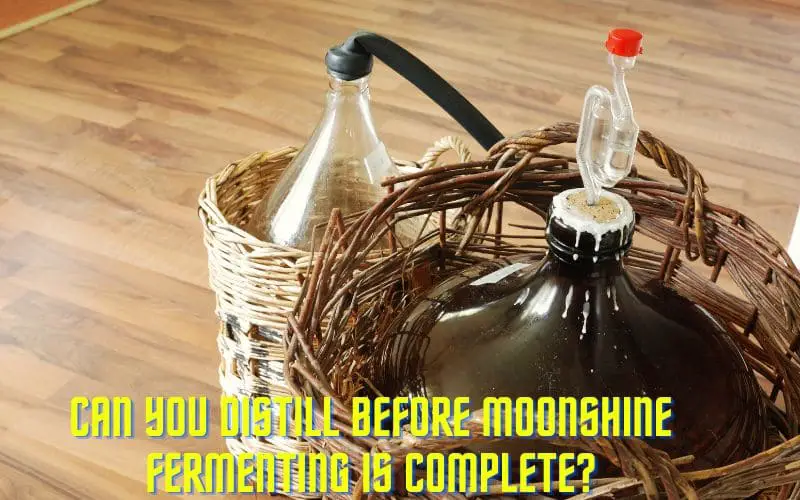
Moonshine fermenting is the initial phase in the production of moonshine. It involves the conversion of sugars into alcohol through the action of yeast. This fermentation process is crucial as it lays the foundation for the distillation of moonshine.
How Long Does Moonshine Fermenting Take? (Detailed Explanation)
Moonshine fermenting is a delicate process that requires careful attention to detail and patience. The duration of moonshine fermenting varies depending on several key factors, each of which plays a crucial role in the final quality and flavor of the moonshine. Below, we will delve into the intricate details of how long moonshine fermenting takes and what influences this essential stage of the moonshining process.
The length of time required for moonshine fermenting can span from 2 days to 2 weeks, and occasionally even longer, depending on specific circumstances. The following factors heavily influence the duration of the fermenting process:
- Temperature: Warmer temperatures generally speed up the fermenting process, while colder temperatures may slow it down. Maintaining a consistent, controlled temperature is crucial for achieving the desired fermentation rate and flavor development.
- Yeast Activity: The type and amount of yeast used directly impact the speed and efficiency of fermentation. Yeast with higher alcohol tolerance levels can ferment more efficiently, especially in higher sugar content solutions, leading to a faster completion of the fermenting process.
- Sugar Content: The concentration of sugar in the mash significantly affects the fermenting time. Higher sugar content can accelerate the fermentation, but it may also require more time to reach the desired balance of flavors and alcohol content.
- pH Level: The acidity level of the mash, indicated by its pH level, influences the yeast’s ability to ferment and the overall pace of the fermenting process. Maintaining an optimal pH level is crucial for a consistent and efficient fermentation process.
- Aeration: Proper aeration during the fermenting stage supports the health and activity of the yeast, contributing to a smoother and more consistent fermentation process. Controlled aeration can help manage the production of undesirable compounds and off-flavors, leading to a more refined moonshine product.
It is important to note that while the fermenting process may reach completion within 2 weeks, achieving the desired flavor profile and overall quality may necessitate a longer fermentation period. Patience and careful monitoring of the fermenting conditions are essential for creating exceptional moonshine with a well-rounded flavor and character.
Factors Affecting Moonshine Fermenting Time
- Temperature Control: Maintaining the ideal temperature is crucial for successful moonshine fermenting. The optimal temperature range for yeast activity is typically between 70-85°F. Too high or too low temperatures can impede the fermentation process.
- Yeast Strain Used: The choice of yeast strain significantly impacts fermenting time and the characteristics of the final product. Different strains have varying tolerance to alcohol levels and temperature, which can affect the speed and efficiency of fermentation.
- Sugar Concentration:The amount of sugar in the mash directly influences fermenting time. Higher sugar concentrations provide more fermentable material for the yeast, potentially shortening the fermenting period. Conversely, lower sugar levels may extend the fermenting duration.
- Presence of Nutrients: Ensuring the presence of essential nutrients for yeast, such as nitrogen and minerals, is vital for a healthy and efficient fermenting process. Nutrient deficiencies can lead to sluggish fermentation and off-flavors in the final product.
Understanding and managing these factors is crucial in ensuring a successful fermenting process. By closely monitoring and controlling temperature, selecting the appropriate yeast strain, managing sugar concentration, and providing necessary nutrients, moonshine enthusiasts can optimize the fermenting time and produce high-quality spirits.
Distilling Moonshine
What is Distillation?
Distillation is the process of separating alcohol from the fermented mash to produce moonshine. It involves heating the mash to vaporize the alcohol and then condensing the vapor to obtain high-proof moonshine. Distillation is a crucial step that contributes to the purity and flavor of the final spirit.
Can You Distill Before Moonshine Fermenting is Complete?
Distilling moonshine is a fascinating process that requires careful attention to every stage, including fermentation. The question of whether you can distill before moonshine fermenting is complete is a common one among enthusiasts. Let’s delve deeper into this topic to understand the importance of allowing fermentation to finish before proceeding with distillation.
When it comes to moonshine production, the fermenting stage plays a crucial role in determining the quality and potency of the final product. Here are some key points to consider:
- Incomplete fermentation can result in a lower alcohol content in the mash, leading to a less efficient distillation process.
- Allowing the fermentation to complete fully ensures that the yeast has converted the sugars into alcohol to the greatest extent possible, maximizing the yield of high-quality moonshine.
- Impatience in the fermentation phase can compromise the entire distillation process, ultimately affecting the taste, aroma, and strength of the moonshine.
It’s essential to exercise patience and discipline during the fermenting stage, as this sets the foundation for a successful distillation. Additionally, ensuring that the fermentation is complete before starting the distillation process promotes safety and minimizes the risk of undesirable by-products in the final moonshine.
Therefore, to achieve the best results and highest quality moonshine, it is highly recommended to wait until the fermenting process is complete before proceeding with distillation.
Effects of Distilling Before Fermenting is Complete
Distilling before the fermenting process is complete can impact the flavor, purity, and alcohol content of the moonshine. It may result in a spirit with off-flavors, lower proof, and overall diminished quality. Understanding the significance of completing the fermenting process is key to producing high-quality moonshine.
Conclusion
As we conclude our exploration of moonshine production, it’s evident that fermenting and distilling are interconnected processes that require precision and patience. Understanding the nuances of fermenting and the impact it has on distillation is essential for crafting exceptional moonshine. We hope this journey has enriched your knowledge and appreciation of the artistry behind moonshine production.