2 Moonshine Recipes: Our Guide To Crafting The Perfect Drink

Key Takeaways
- Making moonshine at home requires careful attention to fermentation and distillation processes, which directly impact the quality and safety of your final product
- The classic corn whiskey recipe and apple pie moonshine represent two distinct styles – one traditional and one flavored – giving brewers flexibility in their moonshine journey
- Midnight Moon offers premium commercially produced moonshine for those who want to enjoy authentic flavors without the production process
- Proper temperature control and patience during fermentation are essential for creating high-quality moonshine
- Understanding the legal considerations around home distillation is crucial before beginning your moonshine brewing adventure
Moonshine isn’t just a drink – it’s a piece of American heritage bottled in a jar. The clear, potent spirit has journeyed from hidden Appalachian stills to modern home brewing setups while maintaining its rebellious allure. Midnight Moon moonshine continues this tradition with authentic recipes that honor the craft’s rich history while providing consistently delicious results for today’s spirits enthusiasts.
The art of making moonshine combines science, patience, and a touch of daring. Whether you’re drawn to the traditional corn whiskey approach or prefer something sweeter like apple pie moonshine, the process rewards attention to detail and respect for technique. These recipes offer both novice and experienced brewers an opportunity to connect with America’s distilling traditions while creating something uniquely their own.
What You’ll Learn About Home Moonshine Brewing
This guide walks you through two distinct moonshine recipes that showcase different aspects of the craft. You’ll discover the essential ingredients, equipment, and techniques needed to produce quality moonshine at home. We’ll explore the critical fermentation and distillation processes that transform simple ingredients into complex spirits. Most importantly, you’ll learn how to navigate common pitfalls that often derail home brewers, ensuring your moonshine turns out smooth and enjoyable every time.
Beyond just following recipes, you’ll gain insight into the science behind each step. Understanding why you’re doing something – not just how – creates better brewers and ultimately better moonshine. From selecting the right corn to knowing exactly when to make your cuts during distillation, this guide provides the knowledge that elevates a simple hobby into a refined craft. For more inspiration, check out these moonshine recipes shared by enthusiasts.
The Secret to Authentic Moonshine: History in a Jar
“Inside the Secret Club of Illegal Moonshine” from www.esquire.com and used with no modifications.
Authentic moonshine begins with corn – the humble grain that has defined American whiskey since colonial times. Early settlers, particularly the Scots-Irish who populated Appalachia, brought distilling traditions that adapted to American ingredients and conditions. When whiskey taxes were implemented in the late 18th century, many moved their operations into the mountains, creating the “moonshiner” culture that would define American spirits for generations. This outlaw heritage explains moonshine’s unaged character – hiding from revenuers meant consuming or selling the product quickly, with no time for barrel aging.
The beauty of traditional moonshine lies in its simplicity. Unlike commercial spirits with their complex production methods and additives, moonshine represents distilling in its purest form. The flavor comes directly from the grain, fermentation process, and distillation technique. This transparency of process means there’s nowhere to hide mistakes – making proper technique all the more important. For those interested in enhancing their moonshine experience, understanding how moonshine is best served can add a new dimension to this traditional drink.
Today’s moonshine renaissance connects us to this rich heritage while incorporating modern understanding of safety and flavor development. The recipes that follow honor traditional methods while ensuring consistency and quality that would make even the most seasoned mountain distiller proud.
Classic Corn Whiskey Moonshine Recipe

“Shine On Georgia Moon Corn Whiskey …” from www.finewinehouse.com and used with no modifications.
This recipe produces approximately 3-5 gallons of mash that, after distillation, will yield about 1/2 to 3/4 gallon of finished moonshine at 100-120 proof. The ratio of corn to sugar creates a balanced spirit with authentic corn character while maintaining efficiency in the fermentation process. Following these steps carefully results in a clean, smooth white whiskey that captures moonshine’s essential character.
Ingredients You’ll Need
- 8.5 pounds cracked corn (not cornmeal)
- 1.5 pounds malted barley
- 6.5 pounds white granulated sugar
- 5-6 gallons of pure water (spring or filtered)
- 1 packet of whiskey yeast or turbo yeast
The quality of your ingredients directly impacts your final product. Use the freshest corn available – preferably cracked, not ground into meal, which can create a gummy mash. The malted barley contributes essential enzymes that convert corn starches to fermentable sugars. For water, avoid chlorinated tap water as chlorine can inhibit fermentation and introduce off-flavors. Distiller’s yeast or whiskey yeast is preferred for its higher alcohol tolerance and cleaner flavor profile compared to baker’s yeast. If you’re curious about aging your moonshine, learn more about the time it takes for moonshine to age.
Equipment Checklist
- 10-gallon fermentation bucket with airlock
- Large pot (minimum 8 gallons) for cooking the mash
- Long-handled wooden or stainless steel spoon
- Copper still with worm (cooling coil) or other distillation apparatus
- Thermometer (capable of reading 50-100°F and 150-200°F ranges)
- Hydrometer to measure sugar content and alcohol percentage
- Cheesecloth or fine mesh strainer
- Glass collection jars
Your equipment doesn’t need to be fancy, but cleanliness is absolutely crucial. Any contaminants can ruin your batch by introducing bacteria or wild yeasts that create off-flavors or dangerous compounds. Before starting, sanitize all equipment with a brewing sanitizer or a solution of one tablespoon bleach per gallon of water (rinse thoroughly afterward). Copper in your still isn’t just traditional – it serves an important purpose by binding with sulfur compounds that would otherwise make your moonshine unpleasant to drink. If you’re curious about the aging process, learn more about how long it takes for moonshine to age.

Step-by-Step Fermentation Process
Begin your moonshine journey by heating 2 gallons of water to approximately 165°F. Add your cracked corn slowly, stirring constantly to prevent clumping. Maintain this temperature for about 10 minutes, then reduce heat to 152°F before adding the malted barley. This temperature activates the enzymes in the barley that will convert starches to fermentable sugars. Cover and maintain this temperature for 90 minutes, stirring occasionally.
After the starch conversion is complete, transfer your mash to the fermentation bucket and add the remaining water to cool the mixture to about 80-85°F. Once cooled, stir in the sugar until completely dissolved. Check your mash with a hydrometer – you’re looking for a specific gravity reading between 1.080 and 1.090, which indicates sufficient fermentable sugars. Only when the temperature drops below 80°F should you add your yeast, as higher temperatures can kill these crucial microorganisms.
Seal your fermentation bucket with an airlock to allow carbon dioxide to escape while preventing contaminants from entering. Store in a dark location with a consistent temperature between 70-75°F. Active fermentation typically begins within 24 hours, evidenced by bubbling through the airlock. Let the fermentation continue until all bubbling stops and the hydrometer reads around 1.010 or lower, typically 7-10 days. Patience here is essential – rushing fermentation leads to off-flavors and potentially dangerous methanol levels.
Distillation: The Heart of Moonshine Making
Before distilling, strain your fermented mash through cheesecloth to remove solids that could scorch during heating. Transfer the liquid (now called “wash”) to your still, being careful not to disturb any sediment at the bottom of the fermentation bucket. Fill your still no more than 2/3 full to allow room for expansion and prevent boilover. Apply heat gradually until the wash reaches approximately 170-180°F.
As your wash heats, different compounds vaporize at different temperatures. The first liquid to come from your still (around 172-180°F) is the “foreshots,” which contain methanol and other dangerous compounds. Discard the first 150ml per 5 gallons of wash – this is not negotiable as consuming methanol can cause blindness or death. After the foreshots come the “heads,” which have a harsh solvent-like smell. Set these aside in a separate container; some distillers blend a small portion back in later for flavor complexity.
The prized middle portion of your distillation run is called the “hearts” – this clear liquid has a clean, sweet aroma and represents the highest quality moonshine. Collect this portion until the distillate begins to take on a cloudy appearance or the proof drops significantly. The final portion, known as the “tails,” contains fusel oils and water. These have a distinct oily appearance on the surface and carry a noticeably different aroma. While not suitable for drinking straight, some distillers save tails for future distillation runs or for making flavored products where their stronger character can be masked.
Legal Considerations to Keep in Mind
Home distillation without proper permits is illegal in most countries, including the United States. While fermenting beverages like beer and wine is legal for personal consumption in many places, distilling alcohol typically requires federal permits, excise tax payments, and compliance with strict regulations. These laws exist primarily for safety reasons, as improper distillation can create dangerous products, and for tax collection purposes.
For those interested in moonshine but concerned about legal issues, consider alternatives like purchasing legally produced commercial moonshine from brands like Midnight Moon, which offers authentic recipes without legal concerns. Alternatively, some enthusiasts focus on building stills or studying distillation processes without actually producing alcoholic spirits, using them instead for distilling water or essential oils, which is generally legal.
Remember that this guide is provided for educational and historical purposes rather than as a direct instruction to violate local laws. Always research and comply with regulations in your area before attempting any brewing or distilling activities.
Apple Pie Moonshine: A Sweet Alternative
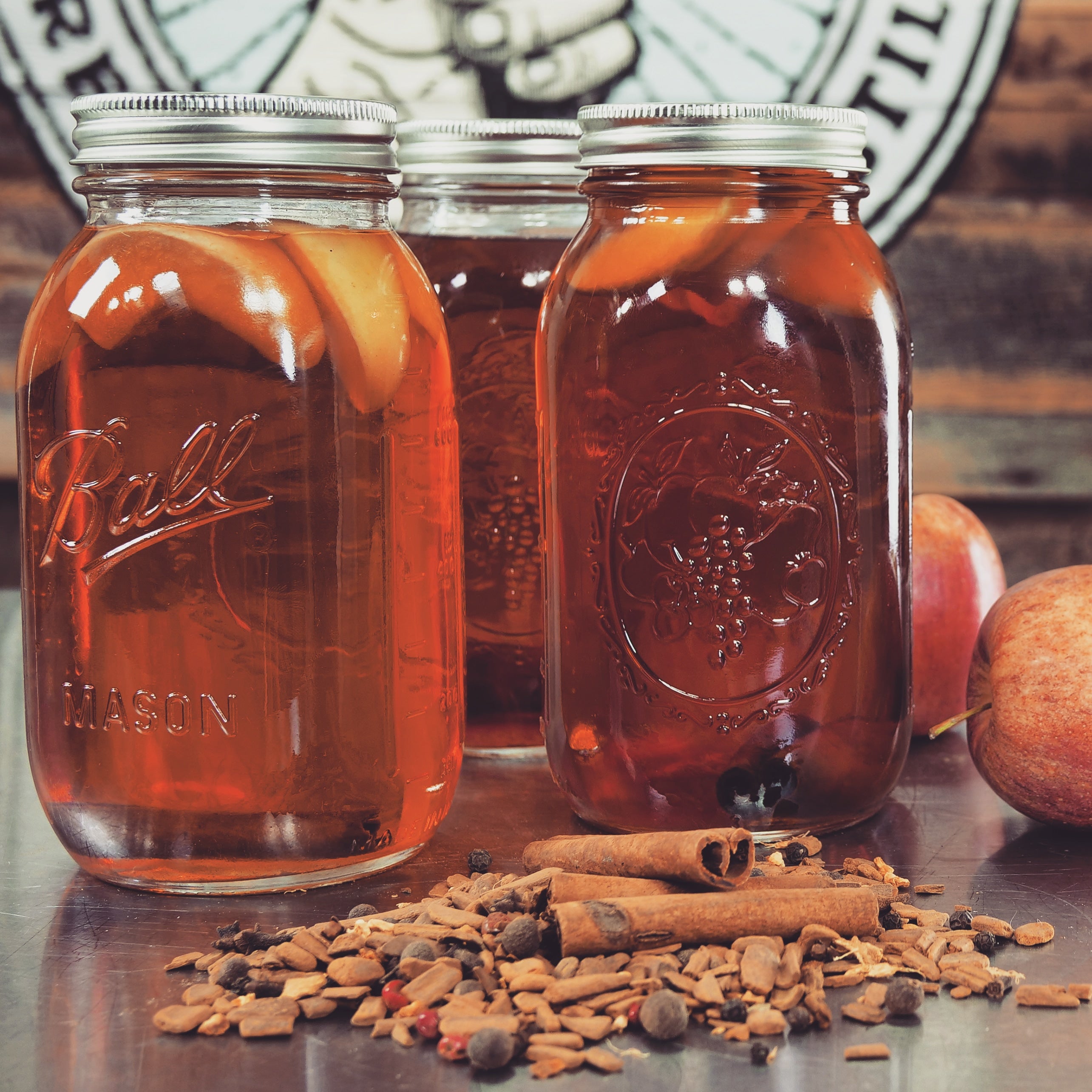
“Apple Pie Moonshine Recipe” from www.clawhammersupply.com and used with no modifications.
Apple Pie Moonshine offers a more approachable entry point to moonshine, combining the potent clear spirit with the comforting flavors of a classic American dessert. This recipe doesn’t require distillation, instead using purchased clear spirits as a base, making it legal and accessible for home brewers. The result is a smooth, sweet sipper perfect for sharing at gatherings or giving as handcrafted gifts.
While traditionalists might argue that flavored versions aren’t “true” moonshine, Apple Pie Moonshine has become a modern classic in its own right. The sweet, spiced profile masks the alcohol heat while creating a complex, layered flavor experience that appeals to both moonshine enthusiasts and those new to unaged spirits. Commercial distilleries like Midnight Moon have embraced this style, creating their own premium versions that maintain authentic character while ensuring consistent quality.
Complete Ingredient List
- 1 liter clear spirit (Everclear, vodka, or legally purchased moonshine)
- 1 gallon apple cider (not apple juice)
- 1 quart apple juice
- 2 cups brown sugar
- 1 cup granulated sugar
- 6 cinnamon sticks
- 1 teaspoon ground nutmeg
- 1/2 teaspoon ground cloves
- 5 allspice berries
- 2 vanilla beans, split lengthwise
Tools Required for This Recipe
- Large stock pot (5+ gallon capacity)
- Long-handled wooden spoon
- Funnel
- Fine mesh strainer
- Glass mason jars with tight-fitting lids
- Measuring cups and spoons
- Thermometer
Unlike traditional moonshine production, Apple Pie Moonshine requires minimal specialized equipment. The most important consideration is using non-reactive cookware – stainless steel or enamel-coated pots prevent unwanted metallic flavors from leaching into your infusion. Mason jars aren’t just traditional for serving and storage; their airtight seals preserve flavors and prevent evaporation of both alcohol and aromatic compounds.

Mixing and Infusion Process
Begin by combining apple cider and apple juice in your large pot, bringing the mixture to a simmer over medium heat. Add both sugars, stirring continuously until completely dissolved. Once the sugars are incorporated, add all spices including cinnamon sticks, nutmeg, cloves, allspice berries, and split vanilla beans. Reduce heat to low and maintain a gentle simmer for 1 hour, allowing the spices to fully infuse. For more creative ideas, explore moonshine flavors and recipes that can enhance your infusion process.
After simmering, remove the pot from heat and allow the mixture to cool completely to room temperature – this is crucial, as adding alcohol to hot liquid will cause partial evaporation of the spirits. Once cooled, strain the mixture through a fine mesh strainer to remove whole spices, then stir in your clear spirit. Using the funnel, carefully transfer the finished moonshine into clean mason jars, filling to about ½ inch from the top to allow for expansion.
For immediate enjoyment, refrigerate for at least 24 hours to allow flavors to meld. However, the true magic happens with patience – after two weeks, you’ll notice significantly more integrated flavors and a smoother character. Some enthusiasts age their Apple Pie Moonshine for months, reporting that the three-month mark achieves the perfect balance between fruit brightness and mellow spice complexity.
Aging and Flavor Development
Unlike traditional clear moonshine, Apple Pie Moonshine benefits tremendously from aging. During the first two weeks, the harsh edges of the alcohol soften while the fruit and spice flavors fully integrate. After one month, you’ll notice the cinnamon and vanilla notes becoming more pronounced, creating a complex layering of flavors that wasn’t present in the fresh mixture. For more on the aging process, learn how long it takes for moonshine to age effectively.
Store your sealed jars in a cool, dark place during aging. Every week, gently invert the jars to redistribute settled spices and ensure even flavor development. If you’ve made a large batch, consider sampling at different intervals – one jar at two weeks, another at one month, and so on – to understand how the flavor profile evolves. This methodical approach helps you determine your personal preference for aging time in future batches. For more tips and recipes, check out Midnight Moon’s moonshine flavors and recipes.
“The transformation of Apple Pie Moonshine through aging is remarkable. Fresh batches showcase bright apple and sharp cinnamon, while aged versions develop rich vanilla undertones and a honey-like smoothness that completely masks the alcohol burn. It’s essentially two different products depending on when you drink it.”
Common Moonshine Mistakes and How to Avoid Them

“What Proof is Moonshine?” from www.tnshineco.com and used with no modifications.
The difference between exceptional moonshine and a disappointing batch often comes down to avoiding a few critical errors. Even experienced distillers occasionally fall victim to these pitfalls, but knowing them in advance significantly increases your chances of success. The most common mistakes involve fermentation temperatures, ingredient quality, and impatience during critical processes.
While some home brewing mishaps merely result in off-flavors, errors in moonshine production can sometimes create dangerous products. Particularly with traditional distilled moonshine, failure to properly discard foreshots can result in methanol contamination. Similarly, using improper equipment like car radiators (as some old-time moonshiners did) can introduce toxic metals. Safety must always take precedence over convenience or tradition.
Temperature Control Issues
Fermentation temperature might be the single most overlooked factor in moonshine quality. Too hot (above 80°F), and your yeast produces off-flavors and higher levels of fusel alcohols that create harsh notes and worsened hangovers. Too cold (below 65°F), and fermentation slows dramatically or stalls completely, leaving unfermented sugars and creating a prime environment for bacterial contamination. For more insights on yeast performance, check out this moonshine yeast review.
For traditional moonshine, distillation temperature control is equally crucial. Rushing the process with excessive heat causes “puking” (liquid boiling up into the column) and fails to create the clean separation between foreshots, heads, hearts, and tails. The result is a muddled product with potentially dangerous compounds and harsh flavors. Invest in reliable thermometers and practice patience – proper temperature management throughout the process pays dividends in quality and safety.
Using the Wrong Water
Water constitutes the majority of your mash, making its quality paramount to success. Chlorinated tap water can inhibit yeast activity and contribute chlorophenols that create medicinal off-flavors. Hard water with high mineral content affects pH and can introduce metallic notes. For best results, use filtered water or spring water with moderate mineral content.
Beyond chemical composition, water temperature matters significantly during mash preparation. Adding malted barley to water that’s too hot destroys the enzymes needed for starch conversion. Similarly, adding yeast to mash that hasn’t cooled sufficiently kills these essential microorganisms before fermentation begins. A digital thermometer eliminates guesswork and ensures optimal conditions for both processes.

Rushing the Process
Moonshine demands patience at every stage. Rushing fermentation by using excessive yeast or attempting to speed things along with higher temperatures creates fusel alcohols that no amount of careful distillation can completely remove. Similarly, failing to allow complete fermentation (typically 7-10 days for traditional recipes) leaves residual sugars that contribute to off-flavors when heated during distillation. For those interested in exploring how long moonshine takes to age, patience is truly a virtue in crafting the perfect drink.
Perhaps the most dangerous shortcut involves collecting too much of the distillate without making proper cuts. The temptation to maximize yield by including heads or tails leads to harsh, potentially harmful moonshine. Remember that quality always trumps quantity – a smaller amount of properly produced spirits offers a far better experience than a larger batch of inferior product.
Perfecting Your Moonshine Flavor

“Flavoring Moonshine: Ignite Your Senses …” from homebrewacademy.com and used with no modifications.
Creating truly exceptional moonshine requires understanding both science and art. The science involves precise temperature control, proper sanitation, and careful measurement of ingredients. The art comes in making sensory judgments – knowing when fermentation smells “right,” recognizing the subtle aroma changes that signal transitions between distillate fractions, and developing the palate to identify desirable flavor compounds.
Every decision from grain selection to fermentation temperature impacts your final product. Corn varieties differ in starch and sugar content; some impart a sweet, nutty character while others offer more floral notes. Even water source affects flavor – many traditional moonshiners insist that local spring water contributes to their signature taste. For those making Apple Pie Moonshine, the apple cider selection significantly influences character, with farmhouse varieties offering more complex flavor than commercial brands.
The Art of the “Cuts”
In traditional distilling, making proper cuts – separating your distillate into foreshots, heads, hearts, and tails – represents perhaps the most crucial skill. The foreshots contain toxic methanol and must always be discarded. The heads contain volatile compounds with harsh, solvent-like aromas. The hearts constitute your premium product – clean, smooth, and carrying the desirable flavors from your grain bill. The tails contain fusel oils, water, and progressively less alcohol.
Making these cuts by aroma and taste rather than strictly by temperature or alcohol content is the mark of an experienced distiller. The transition from heads to hearts isn’t abrupt but gradual, requiring judgment calls about exactly when to switch collection containers. Some distillers place small samples in numbered shot glasses throughout the run, allowing them to revisit and decide precisely where to make their cuts after comparing the entire collection. This methodical approach helps develop the sensory skills needed for consistent quality.
Testing and Adjusting Proof
Fresh off the still, traditional moonshine typically registers between 100-160 proof (50-80% alcohol by volume) – significantly stronger than commercial spirits. An alcohol hydrometer provides the most accurate measurement, allowing precise dilution to your desired strength. Most enthusiasts aim for 80-100 proof (40-50% ABV) for drinking moonshine, which provides sufficient strength while allowing the grain flavors to shine through.
When diluting, always use distilled water added gradually with thorough mixing between additions. This prevents “shocking” the spirits, which can cause clouding from oils coming out of solution. For flavored versions like Apple Pie Moonshine, the substantial addition of juices and syrups naturally lowers the alcohol content, typically resulting in a final product around 40-60 proof (20-30% ABV) depending on your recipe proportions.
Flavor Enhancement Options
Beyond the classic recipes, moonshine offers endless opportunities for creative flavor development. For traditional corn whiskey moonshine, subtle enhancements might include adding a small percentage of malted rye to the grain bill for spicy notes, or replacing some sugar with sorghum molasses for earthier character. Some distillers add toasted oak chips to finished moonshine, creating light barrel-aged notes without actual barrel aging.
For flavored variations, the possibilities expand dramatically. Beyond Apple Pie, popular infusions include peach, blackberry, cherry, and cinnamon. Some enthusiasts create seasonal specialties like pumpkin spice moonshine for fall or cranberry-orange for winter holidays. The key to successful flavoring lies in using fresh, high-quality ingredients and allowing sufficient infusion time – typically 2-4 weeks for fruit flavors to fully develop.
Storing and Serving Your Homemade Moonshine

“Harvest Host moonshine distillery …” from ayptravels.com and used with no modifications.
Proper storage ensures your moonshine maintains its character over time. Traditional clear moonshine is remarkably stable, with virtually indefinite shelf life when stored correctly. Its high alcohol content naturally preserves the spirit against spoilage. Flavored versions like Apple Pie Moonshine, with their lower alcohol content and added sugars, have shorter but still impressive longevity – typically 1-2 years before flavor degradation becomes noticeable.
The enemies of all spirits are heat, light, and oxygen. Each accelerates chemical changes that affect flavor and aroma. A cool, dark location provides ideal storage conditions, while tightly sealed containers prevent both evaporation and oxidation. Some enthusiasts report that moonshine actually improves with short-term storage as the harshest volatile compounds have time to dissipate, creating a smoother drinking experience even without formal aging.
Best Containers for Long-Term Storage
Glass remains the gold standard for moonshine storage, with mason jars continuing their historical role as the container of choice. Glass is non-reactive, preventing the flavor changes that can occur with plastic or certain metals. Colored glass offers additional protection from light, though clear jars stored in dark locations work equally well. The most important feature is an airtight seal – quality canning jars with two-piece lids or flip-top bottles with rubber gaskets provide optimal protection against evaporation and oxidation. For more insights on traditional practices, explore moonshining traditions.
Serving Temperature Recommendations
Temperature dramatically affects how we perceive flavor and aroma in spirits. Traditional corn whiskey moonshine shows best at slightly below room temperature – around 60-65°F – which allows the grain character to express fully while taming some of the alcohol heat. Chilling suppresses both flavor and aroma, though some enjoy the reduced burn of cold moonshine. For Apple Pie Moonshine, refrigeration creates a more refreshing experience that emphasizes the fruit character, while serving at room temperature highlights the spice notes and creates a warming sensation perfect for cool evenings.
Your Moonshine Journey Starts Now

“How to Make Moonshine : 4 Steps (with …” from www.instructables.com and used with no modifications.
- Start with quality ingredients – fresh corn, pure water, and reliable yeast create the foundation for exceptional moonshine
- Practice meticulous sanitation throughout the process to prevent contamination
- Develop patience for proper fermentation and careful distillation
- Take detailed notes on each batch to refine your technique over time
- Connect with the historical tradition while applying modern understanding of safety and flavor development
The moonshine tradition represents American ingenuity, self-reliance, and craftsmanship. Whether you’re drawn to the historical significance, the technical challenge, or simply the pursuit of authentic flavors, moonshine offers a rewarding journey into America’s distilling heritage. Each batch connects you to generations of distillers who passed their knowledge through demonstration rather than documentation, creating a living tradition that continues to evolve. For more on moonshine recipes, you can explore this Reddit discussion.
For those intrigued by moonshine’s character but concerned about production legalities, commercially produced options like those from Midnight Moon offer authentic taste with complete peace of mind. Their Apple Pie Moonshine captures the essence of the homemade version while ensuring consistent quality and compliance with all regulations. Commercial products can also serve as excellent benchmarks for home brewers developing their palates and learning to identify the characteristic flavors of properly made moonshine.
Whether you choose to create your own infusions using purchased spirits or explore the full traditional process, the world of moonshine rewards curiosity, attention to detail, and respect for the craft. Your journey may begin with following recipes precisely, but as your confidence grows, you’ll likely develop your own signature adaptations that reflect your personal taste preferences. This evolution from student to innovator represents the true spirit of moonshining – a tradition built on adaptation, ingenuity, and the pursuit of liquid perfection.
Frequently Asked Questions
The world of moonshine brewing generates many questions, particularly for newcomers intrigued by this distinctly American tradition. The following answers address the most common concerns while providing additional insights that deepen understanding of the craft. Remember that moonshine knowledge combines scientific principles with generations of practical experience, creating a rich tradition that continues to evolve.
As you explore moonshine making, consider connecting with established brewing communities where enthusiasts share techniques, troubleshoot problems, and celebrate successes together. These communities offer valuable mentorship that supplements written guides, providing the kind of nuanced advice that can only come from direct experience with the craft.
Is making moonshine at home legal?
Distilling alcohol without proper permits is illegal in the United States and many other countries, primarily due to safety concerns and tax regulations. While fermenting beverages like beer and wine for personal consumption is legal in many jurisdictions, distillation typically requires federal permits, tax payments, and compliance with strict regulations. However, making non-distilled infusions like Apple Pie Moonshine using commercially produced spirits as a base is generally legal for personal consumption in most areas, similar to creating homemade liqueurs.
How long does homemade moonshine last?
Traditional clear moonshine, properly stored in airtight glass containers away from heat and light, maintains its quality indefinitely due to its high alcohol content. Many enthusiasts report that moonshine actually improves during the first few months as some of the harsher volatile compounds dissipate, resulting in a smoother character without formal aging.
Flavored variations like Apple Pie Moonshine typically remain at peak quality for 1-2 years when refrigerated after opening. The higher sugar content and lower alcohol percentage in these products eventually lead to flavor degradation, though they remain safe to drink much longer. Proper sealing to prevent oxidation significantly extends the flavor preservation period for all moonshine varieties.
What gives moonshine its distinctive kick?
Moonshine’s characteristic intensity comes from its typically high alcohol content – often 40-60% ABV (80-120 proof) for traditional varieties – and its unaged nature. Without the mellowing influence of barrel aging that smooths commercial whiskeys, moonshine retains more of the raw spirit character directly from distillation. This includes both the clean ethanol punch and the subtle grain flavors that define its profile.
The grain bill also significantly influences character, with corn contributing a distinctive sweetness that differs markedly from the profiles of malted barley, rye, or wheat-based spirits. Additionally, the direct fire heating method traditionally used for moonshine distillation can impart subtle caramelization notes absent in commercial products distilled using steam jackets or indirect heating methods.
Can I adjust the alcohol content of my moonshine?
The alcohol content of traditional moonshine can be adjusted by diluting with distilled water to reach your desired proof. Fresh off the still, moonshine typically registers between 100-160 proof (50-80% ABV). Most enthusiasts dilute to 80-100 proof (40-50% ABV) for drinking, which provides a better balance between strength and flavor expression. For precise dilution, use an alcohol hydrometer to measure your starting proof, then calculate the necessary water addition to reach your target percentage.
What’s the difference between moonshine and regular whiskey?
The primary difference between moonshine and commercial whiskey is aging. Moonshine is essentially unaged whiskey – the raw distillate that would normally go into barrels for maturation. Commercial whiskeys develop their amber color and much of their flavor complexity through extended contact with charred oak barrels, while moonshine retains the clear appearance and direct grain character of fresh distillate. Additionally, most commercial whiskeys undergo filtration processes and precise blending to ensure consistency across batches, while traditional moonshine embraces the natural variation that comes from smaller, less controlled production.
For those intrigued by moonshine’s rich tradition and distinctive character, exploring both homemade infusions and quality commercial options provides a well-rounded introduction to America’s native spirit. Whether enjoyed straight, in cocktails, or as the foundation for flavor infusions, moonshine offers a direct connection to the ingenuity and craftsmanship that define American distilling heritage.
Your moonshine journey represents more than just creating a beverage – it’s participating in a living tradition that spans generations of American history. Each batch carries forward the spirit of independence and craftsmanship that has defined moonshine since its earliest days.
For a taste of professionally crafted moonshine that honors traditional methods while ensuring modern quality standards, explore Midnight Moon’s selection of authentic moonshine products – bringing the mountain tradition to your glass without the production challenges. If you’re interested in making your own, learn how to make moonshine taste smooth with our expert tips.