Why Does Moonshine Have To Sit? We Find The Answer
Key Takeaways
- Allowing moonshine to sit is crucial for safety, as it helps harmful compounds like methanol and acetone to evaporate over time
- The aging process significantly improves moonshine’s flavor profile by mellowing harsh notes and allowing chemical compounds to integrate properly
- Different types of moonshine require different resting periods – clear varieties need at least 1-2 weeks while flavored versions may need months
- The container material used for aging (glass, oak, ceramic) directly impacts how moonshine develops during its sitting period
- Commercial distilleries like Heritage Distilling Company follow strict aging protocols to ensure both safety and optimal flavor development in their spirits
The Science Behind Moonshine’s Rest Period
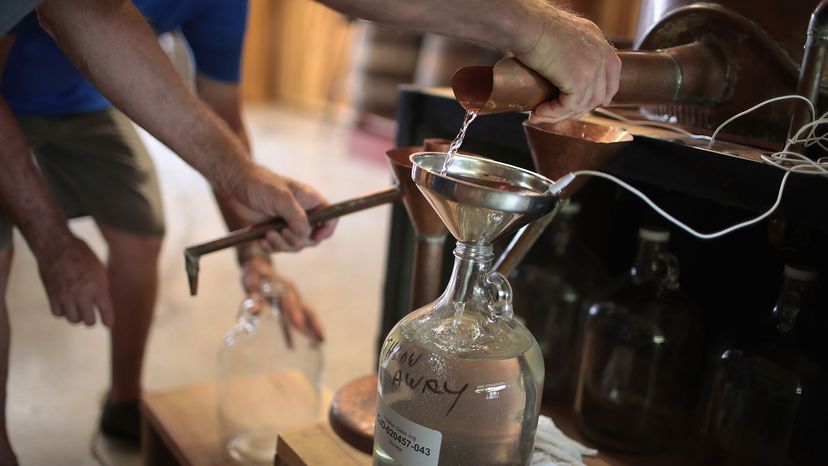
“Moonshine Made …” from science.howstuffworks.com and used with no modifications.
Moonshine needs to sit because time transforms a harsh, potentially dangerous spirit into a smooth, enjoyable beverage. When fresh off the still, moonshine contains a complex mixture of alcohols, esters, aldehydes, and other chemical compounds that need time to properly integrate. This sitting period, more professionally known as “aging” or “resting,” isn’t just a matter of tradition – it’s based on solid chemical principles that affect both safety and flavor. During this crucial rest period, volatile compounds evaporate, harsh flavors mellow, and the spirit develops character that simply isn’t present in freshly distilled moonshine.
The chemistry behind moonshine’s transformation during rest is fascinating. As Heritage Distilling Company explains to their craft spirit enthusiasts, the resting period allows for micro-oxidation, esterification, and evaporation processes that fundamentally change the molecular makeup of the spirit. These natural chemical reactions occur gradually over time, which is why attempting to rush or skip this process often results in an inferior product that can be both unpleasant to drink and potentially harmful depending on the distillation process used.
Why Fresh Moonshine Needs Aging Time

“American Oak Whiskey Bourbon Aging …” from stampedestills.com and used with no modifications.
Fresh moonshine, straight from the still, is typically harsh and fiery. This raw character comes from a variety of compounds that haven’t had time to mellow or partially evaporate. The “green” qualities of fresh moonshine include sharp alcoholic heat, medicinal notes, and sometimes even solvent-like aromas that mask the more desirable flavors. These characteristics aren’t necessarily dangerous (assuming proper distillation techniques were used), but they certainly don’t contribute to an enjoyable drinking experience.
The sitting process addresses these issues by allowing time for chemical reactions to occur naturally. Harsh alcohols either evaporate or transform into more pleasant compounds, while flavor molecules bind together in new ways that create complexity. During this resting period, the spirit “breathes” through the microscopic pores in whatever container it’s stored in, facilitating tiny amounts of oxygen exchange that catalyze these transformative chemical reactions.
Another critical reason for allowing moonshine to sit is the phenomenon known as “marrying” of flavors. When different alcohols, esters, and flavor compounds first come together in freshly distilled spirit, they haven’t had time to properly integrate. Think of it like a soup that’s just had all its ingredients added – it needs time to simmer for the flavors to properly combine. The same principle applies to moonshine, where time allows the various chemical components to interact in ways that result in a more balanced, cohesive flavor profile.
“The difference between fresh and properly rested moonshine is like night and day. Fresh ‘shine is hot, aggressive, and often has a chemical quality. Give it proper time to rest, and you’ll be rewarded with a smooth, complex spirit that reveals its true character.” – Traditional Appalachian distiller
Methanol and Foreshots: The Dangerous Compounds
Perhaps the most important safety reason moonshine needs to sit relates to potentially dangerous compounds like methanol. Proper distillation technique involves discarding the “foreshots” – the first portion of liquid that comes off the still, which contains higher concentrations of methanol, acetone, and other volatile compounds. However, even with proper technique, trace amounts may remain in the final product. The sitting process gives these remaining volatile compounds time to gradually evaporate, making the spirit safer to consume.

Fusel Oils and Their Effects on Flavor
Fusel oils are higher alcohols produced during fermentation that can significantly impact moonshine’s flavor profile. These compounds, including amyl, isoamyl, and propyl alcohols, contribute to the harsh, burning sensation often found in fresh moonshine. When present in high concentrations, fusel oils create that characteristic “heat” that burns the throat and can lead to more severe hangovers. Allowing moonshine to sit gives these oils time to either evaporate or transform through chemical reactions, resulting in a smoother drinking experience.
The transformation of fusel oils during the sitting period isn’t just about reduction – it’s about conversion. Over time, these oils interact with acids present in the spirit to form esters, which contribute pleasant fruity and floral notes instead of harshness. This esterification process is one of the primary reasons aged spirits develop complex, nuanced flavors that simply aren’t present in their freshly distilled form.
How Aging Changes Moonshine’s Chemical Composition
During the sitting process, moonshine undergoes numerous chemical changes that fundamentally alter its composition. Alcohols react with acids to form esters, aldehydes oxidize into acids, and certain compounds polymerize or break down. The spirit also experiences micro-oxygenation through container walls, which triggers additional reactions. These processes occur gradually over time, with some happening in days or weeks while others require months or even years. For those interested in exploring more, the difference between spirits and moonshine offers further insights into these fascinating transformations.
The transformation is particularly evident in the development of congeners – flavor and aroma compounds that give moonshine its character. As the spirit sits, harsh congeners either evaporate or convert into more pleasant compounds. Meanwhile, desirable congeners integrate more fully with the base spirit. This maturation process is why properly aged moonshine displays depth and complexity that fresh moonshine simply cannot match.
Optimal Resting Times for Different Moonshine Types

“How To Make Moonshine: A Step By Step Guide” from www.clawhammersupply.com and used with no modifications.
Not all moonshine requires the same resting period. The optimal sitting time varies based on several factors, including the base ingredients, proof level, and desired flavor profile. Understanding these variations can help producers achieve better results and avoid either under-aging or over-aging their product. While some moonshines are ready in a matter of weeks, others may require months or even years to reach their peak quality. For more insights, you can explore discussions on moonshine sitting on Reddit.
Clear Moonshine: Minimum Rest Requirements
Traditional clear moonshine, often made from corn mash, requires a minimum resting period to become safe and palatable. At the very minimum, clear moonshine should sit for 1-2 weeks after distillation to allow the most volatile compounds to evaporate and for the harshest edges to soften. This brief resting period allows the spirit to “settle down” from the trauma of distillation and begin developing more cohesive flavors.
For higher quality results, many experienced distillers recommend 1-3 months of resting time for clear moonshine. This extended period allows for more complete esterification and softening of harsh compounds. The spirit will maintain its clear appearance while developing a smoother, more refined character. During this time, it’s important to store the moonshine in appropriate containers (typically glass) and under consistent environmental conditions.
Flavored Moonshine: Letting Ingredients Infuse
Flavored moonshine presents a different set of considerations when it comes to sitting time. When ingredients like fruits, spices, or herbs are added to moonshine, they need adequate time to release their flavors into the spirit. This infusion process is slower than most people realize, often requiring 2-6 weeks for initial flavor development and up to several months for full flavor integration.
The sitting time for flavored moonshine serves a dual purpose: allowing the base spirit to mellow while simultaneously extracting and incorporating flavors from the added ingredients. The high alcohol content in moonshine acts as a solvent, gradually drawing out flavors, oils, and color from whatever is being infused. Over time, these extracted components blend with the spirit, creating a harmonious flavor profile rather than tasting like separate elements.
For the best results with flavored moonshine, patience is essential. While you may detect flavors after just a few days, complex flavored moonshines benefit tremendously from extended sitting periods. Apple pie moonshine, for instance, often tastes dramatically better after 2-3 months than it does after just a few weeks, as the cinnamon, apple, and sugar flavors fully integrate with the spirit.

Fruit-Based vs. Grain-Based Moonshine Rest Periods
The base ingredients used to make moonshine significantly impact the optimal resting time. Fruit-based moonshines, such as those made from apples, peaches, or berries, typically require less sitting time than grain-based varieties. The natural sugars and acids in fruit provide a smoother initial character and facilitate faster esterification. These fruit-based spirits often reach drinking quality after 3-4 weeks, though they continue to improve for several months thereafter. For more insights on moonshine production, you can explore discussions like moonshine sitting on Reddit.
Temperature and Storage Effects on Moonshine Aging

“Whiskey, Wine and Spirits Aging: The …” from redheadoakbarrels.com and used with no modifications.
The conditions under which moonshine sits dramatically affect how it develops over time. Temperature, light exposure, container material, and airflow all play crucial roles in determining the speed and nature of chemical reactions occurring within the spirit. These environmental factors can either enhance the aging process or potentially damage the moonshine, making proper storage considerations essential for quality results.
Cool vs. Warm Storage Impact
- Cool storage (50-65°F/10-18°C): Slower, more controlled aging with better retention of volatile aromatics
- Moderate storage (65-75°F/18-24°C): Balanced aging speed with good flavor development
- Warm storage (75-85°F/24-29°C): Accelerated aging but potential loss of delicate flavors
- Hot storage (above 85°F/29°C): Rapid changes but risk of undesirable flavors and excessive evaporation
Light Exposure Considerations
Light, particularly UV light, can significantly affect moonshine during its sitting period. Extended exposure to sunlight or bright artificial light can degrade certain flavor compounds and trigger unwanted chemical reactions. These light-induced changes often create off-flavors described as “skunky” or “cardboard-like.” For this reason, most experienced distillers store their moonshine in dark environments or use amber/blue bottles that block harmful UV rays.
Even brief exposure to strong light can alter the delicate chemical balance in moonshine. The photochemical reactions primarily affect certain aldehydes and sulfur compounds, transforming them into less pleasant versions. To preserve the intended flavor profile, keep moonshine in a dark cabinet, cellar, or other light-restricted area during its entire sitting period.
Container Materials That Affect Flavor Development
The material of the container in which moonshine sits plays a crucial role in its development. Glass is the most neutral option, allowing the spirit to mature without imparting additional flavors. Oak containers, on the other hand, actively contribute to the flavor profile, adding vanilla, caramel, and woody notes while also accelerating certain chemical reactions through micro-oxygenation. Ceramic and stoneware fall somewhere between glass and oak, being relatively neutral but still allowing minimal oxygen exchange.
For traditional clear moonshine, glass containers are typically preferred for their neutrality and non-reactive properties. However, for moonshine intended to develop more complexity during sitting, oak barrels or containers with oak chips/spirals provide beneficial interactions. The tannins and organic compounds in oak not only add flavor but also help to bind and transform harsh fusel oils into smoother compounds.
| Container Material | Effect on Moonshine | Ideal Sitting Time |
|---|---|---|
| Glass | Neutral, no flavor contribution | 1-3 months |
| Oak | Contributes vanilla, caramel, woody notes | 2-6 months |
| Ceramic/Stoneware | Minimal oxygen exchange, slight mineral notes | 1-4 months |
| Plastic | Not recommended – can leach chemicals | Avoid for sitting |
Airflow and Oxidation Effects
The amount of air exposure moonshine receives during sitting dramatically influences its development. Controlled micro-oxidation helps transform harsh compounds into smoother ones, but excessive oxygen exposure can create vinegary notes and diminish the spirit’s character. The ideal setup allows minimal, controlled oxygen contact through a proper seal that isn’t completely airtight. This balancing act is why traditional moonshine jars often have slightly breathable seals rather than completely airtight ones. For more insight into the aging process, check out these moonshine packaging ideas.
During the sitting period, occasional gentle agitation (once every 1-2 weeks) can help distribute the compounds and facilitate more even maturation. However, constant agitation or frequent opening of containers introduces too much oxygen and disrupts the delicate chemical processes taking place. Finding this balance between isolation and minimal oxygen exposure is critical for developing properly aged moonshine.
Signs Your Moonshine Is Properly Aged

“Does Moonshine Go Bad?” from www.tnshineco.com and used with no modifications.
Determining when moonshine has sat long enough requires attention to several sensory indicators. Unlike commercial spirits with standardized aging protocols, homemade moonshine needs evaluation on a batch-by-batch basis. The transition from harsh, raw spirit to smooth, integrated moonshine happens gradually, but there are specific signs to watch for that indicate proper maturation has occurred. To learn more about the differences between spirits and moonshine, check out this informative article.
Taste Profile Changes to Expect
Properly aged moonshine demonstrates a marked improvement in taste compared to its fresh counterpart. The initial harsh alcoholic burn diminishes significantly, replaced by a smoother warmth that spreads more gently. Sharp, solvent-like aromas transform into more rounded, complex notes that might include subtle sweetness, grain character, or fruit tones depending on the base ingredients. The most telling sign is the absence of that distinctive “new make” character that gives fresh moonshine its aggressive edge.
The flavor evolution also includes the development of a more cohesive profile where individual components no longer stand apart but blend harmoniously. Rather than tasting separate notes of alcohol, grain, and secondary flavors, well-rested moonshine presents these elements as a unified whole. This integration is perhaps the clearest indication that sufficient sitting time has elapsed and the spirit has reached its intended character.

Visual Indications of Ready-to-Drink Moonshine
While taste is the most important indicator, visual cues can also help determine if moonshine has sat long enough. Properly rested clear moonshine typically develops enhanced clarity and brightness, with any initial cloudiness having settled out completely. For moonshine aged in oak or with added ingredients, color development and stability are important visual markers. The color should appear rich and consistent throughout, without separation or floating particles. If you’re interested in traditional methods, check out this traditional corn-based moonshine recipe.
Another visual indication comes from observing the “legs” or “tears” that form when the spirit is swirled in a glass. Fresh moonshine tends to form thin, fast-running legs, while properly aged moonshine creates thicker, slower-moving legs that indicate greater viscosity and integrated oils. This change in physical properties reflects the chemical transformations that have occurred during the sitting period.
The “Shake Test” Method
A simple but effective method for evaluating moonshine’s maturity is the shake test. Place a small amount of moonshine in a jar, seal it tightly, and shake it vigorously for about 5 seconds. Then observe how the bubbles form and dissipate. Properly aged moonshine will form a ring of small bubbles around the edge that slowly disappears. If the bubbles are large and pop quickly, or if they create a complete even foam layer that rapidly disappears, the moonshine likely needs more sitting time.
Safety First: Why Rushing Moonshine Can Be Dangerous
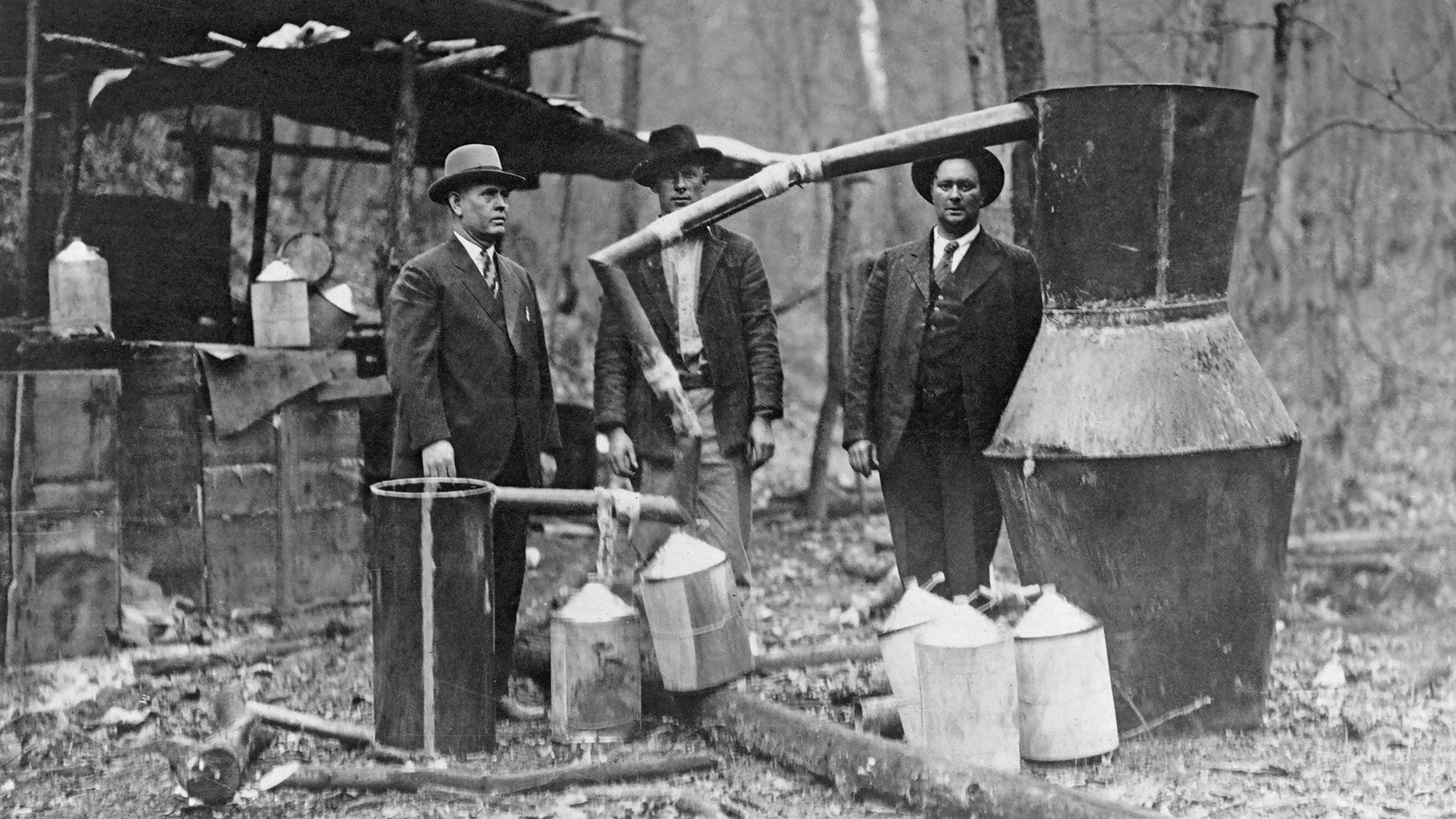
“Is It Safe to Drink Moonshine? | Live …” from www.livescience.com and used with no modifications.
Attempting to skip or significantly shorten the sitting period for moonshine can lead to both unpleasant and potentially dangerous outcomes. The maturation process isn’t just about flavor development – it’s also a critical safety measure that allows harmful volatile compounds to dissipate. Consuming moonshine that hasn’t properly sat can result in more severe hangovers, nausea, and in extreme cases of poorly made spirits, serious health risks. To better understand the importance of this process, explore the difference between spirits and moonshine.
“There’s no shortcut to quality moonshine. The sitting period isn’t just tradition – it’s a crucial safety step that separates responsible distillers from dangerous ones. When someone tells me they don’t let their ‘shine sit, I won’t touch a drop of it.” – Third-generation Appalachian distiller
The most dangerous scenario involves moonshine that contains significant methanol due to improper distillation techniques. While the sitting period alone cannot remove dangerous levels of methanol (proper distillation technique is essential), it does help reduce trace amounts that might remain even with good practices. This is why traditional distillers insist on both proper distillation cuts and adequate sitting time as complementary safety measures.
Beyond methanol concerns, fresh moonshine contains higher concentrations of congeners and fusel oils that, while not lethal, can cause increased headaches, nausea, and general discomfort. The sitting period allows these compounds to transform or evaporate, resulting in a cleaner spirit that the body processes more easily. Patient distillers understand that the waiting period is an investment in both quality and consumer safety. For those interested in the legal aspects, it’s worth exploring whether stills are illegal in the US.
Frequently Asked Questions
The sitting process for moonshine generates many questions from both novice and experienced distillers. Understanding these common concerns can help ensure better results and safer products. The following questions address the most frequent uncertainties about moonshine’s resting period and provide practical guidance based on generations of distilling experience.
- How long should moonshine sit at minimum for safety?
- Can moonshine be consumed immediately after distillation?
- What happens if moonshine sits too long?
- Does the proof level affect required sitting time?
- Should moonshine be stirred or shaken during the sitting period?
Proper education about moonshine production is essential for both quality and safety. While many moonshine traditions have been passed down through generations, understanding the science behind these practices helps distillers make informed decisions rather than simply following rules without knowing their purpose.

Can moonshine age too long?
Unlike fine wines or certain whiskies that continue improving for decades, moonshine generally reaches its peak quality within a specific window. Clear moonshine typically reaches optimal quality around 3-6 months and then maintains that level for years in proper storage conditions. After approximately 2-3 years, however, even well-stored moonshine may begin losing some of its character as extremely slow oxidation gradually flattens the flavor profile. For more insights on moonshine’s unique characteristics, explore the difference between spirits and moonshine.
Flavored moonshine has more variable aging limits depending on the ingredients used. Fruit-infused varieties often peak around 6-12 months before the fruit flavors begin to deteriorate or take on cooked characteristics. Spice-infused moonshines typically maintain quality longer, with some cinnamon or vanilla variations continuing to improve for 1-2 years before plateauing. The key is understanding that while moonshine needs sufficient sitting time, indefinite aging isn’t necessarily beneficial.
Does commercial moonshine need to sit like homemade?
Commercial moonshine products undergo the same fundamental chemical processes as homemade versions, but professional distilleries implement more controlled, standardized sitting protocols. These companies typically use precise temperature controls, filtering techniques, and scientifically determined resting periods to accelerate certain aspects of the aging process while still ensuring complete development. However, quality commercial producers never skip the sitting stage entirely, as the chemical transformations remain essential regardless of production scale.
Many commercial moonshine brands actually extend their sitting periods beyond what home distillers might use, particularly for premium products. Companies like Heritage Distilling Company understand that proper resting is a crucial quality investment that directly impacts customer experience. The main difference is that commercial operations have the technology and expertise to optimize every aspect of the sitting process rather than relying on general timeframes. For those interested in the legal aspects, it’s worth exploring whether stills are illegal in the US.
How can I speed up the aging process safely?
| Method | Effectiveness | Safety Considerations |
|---|---|---|
| Temperature cycling | Moderate | Safe within 60-80°F range |
| Micro-oxygenation | Good for flavor | Risk of over-oxidation |
| Oak/wood additions | Excellent for flavor | Very safe |
| Ultrasonic treatment | Moderate | Safe with proper equipment |
While nothing completely replaces proper sitting time, certain techniques can accelerate aspects of the aging process. Adding toasted oak chips or spirals introduces beneficial compounds more quickly than barrel aging. Controlled temperature fluctuations (cycling between 60-80°F over several days) can simulate seasonal changes that accelerate esterification. Ultrasonic treatment using specialized equipment can increase molecular interaction, though this requires specific technology not available to most home distillers.
It’s important to note that these methods primarily accelerate flavor development but may not adequately address safety concerns related to volatile compounds. Even with acceleration techniques, a minimum sitting period is still necessary to allow methanol and other potentially harmful compounds to dissipate. The safest approach combines moderate acceleration techniques with a shortened but still substantial resting period. For more insights on the process, you can explore the main parts of a still and how they contribute to the overall safety and quality of moonshine.
When attempting to accelerate aging, monitoring is crucial. Regular small taste tests can help track development and prevent over-processing that might damage the spirit’s character. Remember that the goal is to enhance natural maturation processes, not bypass them entirely. Patience remains an essential ingredient in quality moonshine.
Will adding oak chips reduce sitting time?
Oak chips, spirals, or cubes can significantly enhance flavor development during the sitting period but don’t necessarily reduce the minimum time needed for safety. The oak introduces beneficial compounds like vanillin, tannins, and lactones that add complexity and help bind harsh fusel oils. However, the primary reactions that dissipate methanol and acetone still require adequate time regardless of oak presence. Think of oak additions as improving the quality of the sitting period rather than shortening the required duration. For more insights, explore the aged moonshine packaging ideas.
For best results when using oak additions, lightly toast the wood first to open its structure and make flavor compounds more accessible. Start with a small amount (1-2 ounces of chips per gallon) and taste regularly, as oak can quickly become dominant. While oak won’t make fresh moonshine immediately safe to drink, it will significantly enhance the quality of moonshine that has completed an adequate minimum sitting period of at least 2-3 weeks. If you’re interested in learning more about traditional methods, check out this corn-based moonshine recipe.
Is cloudy moonshine after sitting normal?
Some cloudiness or haze in moonshine after sitting can be normal, particularly in certain situations. In cold temperatures, natural oils in the spirit can come out of solution and create temporary cloudiness (known as “chill haze”) that disappears when warmed. Flavored moonshines, especially those made with fruits or spices, often develop some cloudiness as compounds from the ingredients slowly dissolve into the alcohol. This type of natural cloudiness doesn’t indicate any problem with quality or safety.
However, certain types of cloudiness may indicate issues that need addressing. If clear moonshine becomes cloudy during sitting without temperature changes or added ingredients, it might indicate bacterial contamination or improper distillation technique. Similarly, floating particles or filaments could suggest unwanted growth in the spirit. When in doubt about unusual cloudiness, filter the moonshine through coffee filters or specialized spirit filters to remove particulates before consumption.
The appearance of moonshine should generally improve during proper sitting. Well-made clear moonshine typically becomes more brilliant and transparent over time as microscopic particles settle out and certain compounds polymerize. If your moonshine is becoming increasingly cloudy during sitting rather than clearer, it’s worth investigating potential contamination or storage issues.
Remember that quality moonshine requires both proper distillation and adequate sitting time – there’s simply no substitute for these fundamental practices. As Heritage Distilling Company demonstrates with their craft spirits, patience and attention to detail during the aging process yield superior results that can be appreciated with each sip. Whether you’re producing or consuming moonshine, understanding why it needs to sit will help ensure both safety and an exceptional drinking experience.